
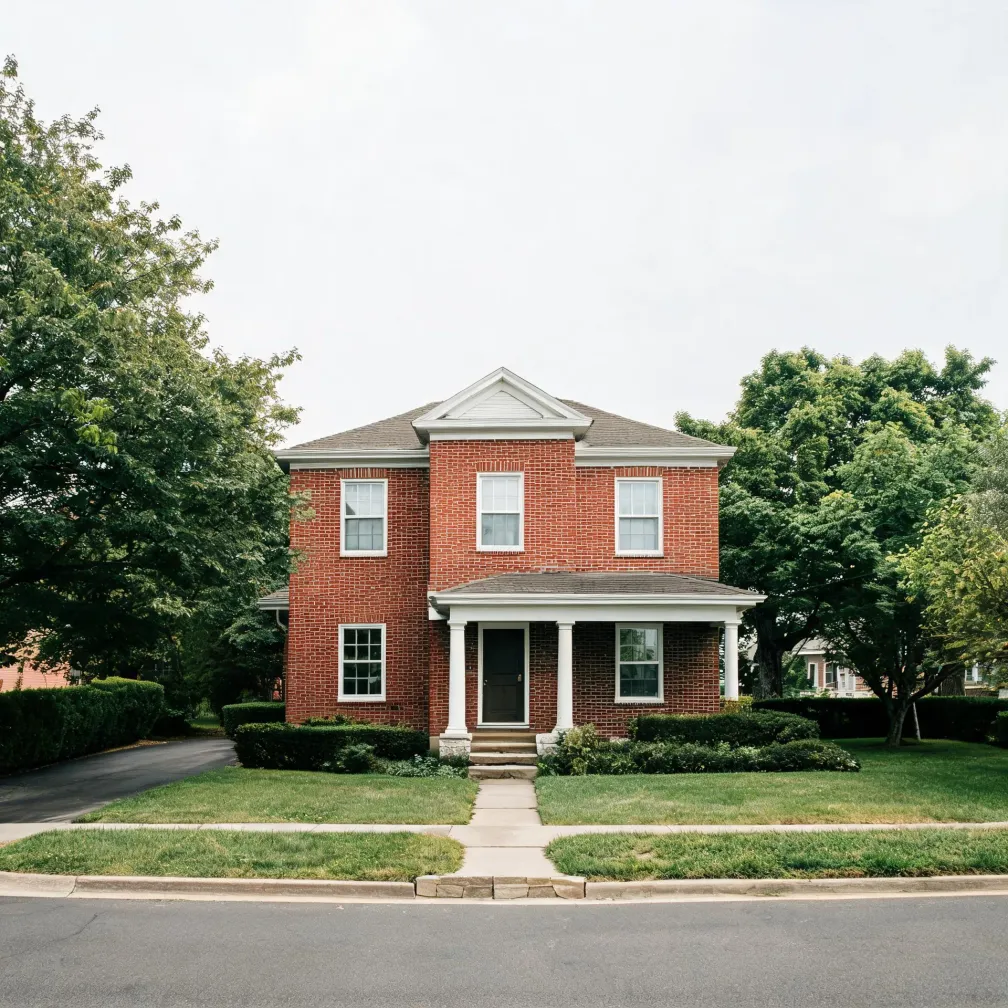
What Pennsylvania homes are up against.
NOAA National Centers for Environmental Information, Storm Events Database, bulk CSV export, events 2015-01-01 through 2024-12-31. · U.S. Census Bureau, 2020-2024 American Community Survey 5-Year Estimates

A furnace that starts having trouble in Pennsylvania rarely gets to hide it for long. Homes in Pennsylvania run heat about eight months a year, from October through May. That leaves a short stretch for a cracked heat exchanger or a weak igniter to sit quiet before the burner fires again and tests it once more. A part that is already marginal is more likely to quit on some ordinary cycling night than to wait for the season's first hard freeze. The burner, the igniter and the blower motor are doing most of their year's work back to back, with little idle time in between for a fault to go unnoticed.

Before a furnace or air handler gets recommended, someone has to open the panel and walk the ductwork to see what is actually there. A recommendation based on square footage alone is a guess dressed up as an answer. Half the homes in Pennsylvania were built in 1965 or earlier (2020-2024 ACS 5-year). A house holding onto ducts sized for older equipment, or a panel built for a different set of appliances, will not always take new equipment the way a spec sheet assumes it will. The only way to know is to look, in person, before anything gets ordered or installed.
Does severe weather put extra strain on your Pennsylvania home?
2015–2024 · Source: NOAA National Centers for Environmental Information, Storm Events Database.
A county with a heavier storm record puts more strain on the equipment sitting outside your home. Wind and hail test the cabinet and the coil, heavy rain tests the pad it sits on, and cold tests how hard the system has to work to keep up. A homeowner in one of these counties should have a contractor check where the outdoor unit sits, how well it is anchored, and the condition of the unit itself.
Pennsylvania requires contractors to register with the state.
Contractors register with the Bureau of Consumer Protection.
Look up a contractor's registration on the Bureau of Consumer Protection's website.Sources: Pennsylvania General Assembly · Pennsylvania Office of Attorney General