
HVAC Installation in Pottsville, PA
A new system here will heat from October through May and cool from July through August every year. Tell us about the house, and a licensed contractor who covers Schuylkill County will get in touch.
Tell us about the job
It takes about a minute.
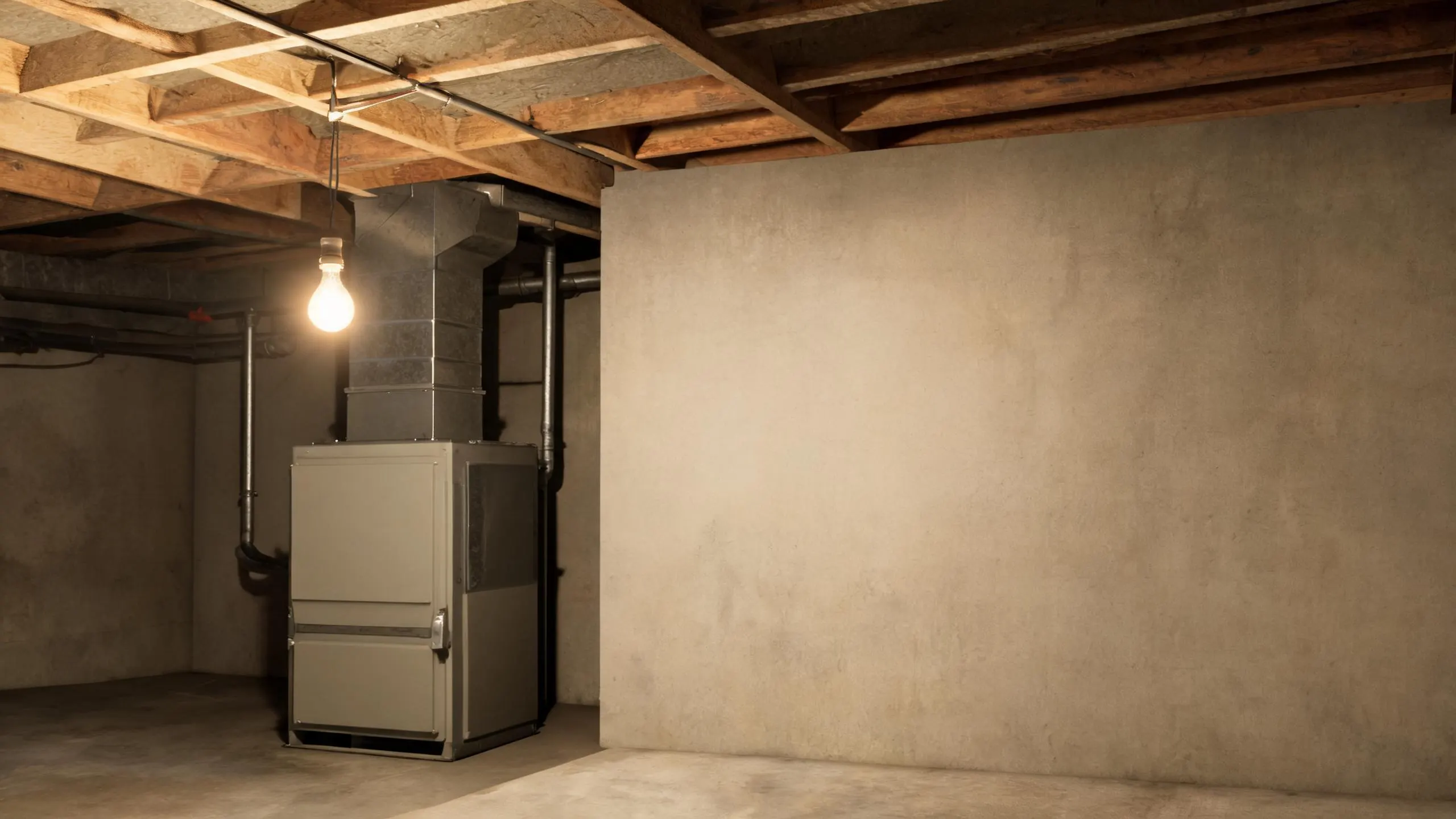
Ten months of the year, your system is working
Winter nights in Pottsville average 21°F from December through February, and homes here need heat from October through May. That's 8 months a year a furnace or heat pump has to keep up. Summer is short by comparison, just July and August, with afternoons averaging 80°F.
A lot of homes in Schuylkill County still heat with fuel oil. Whatever fuel a new system uses, it has to be sized for real cold, not a mild winter. And with 20 winter storms and 71 damaging wind events recorded here over the past ten years, and 15% of Pennsylvania households losing power for at least 24 hours in 2024, it's worth asking a contractor how a new system holds up when the power goes out, and for how long.
- 8 months
- October through May, your system heats
- 2 months
- July through August, it cools
- 21°F
- the average winter night it heats against
- 80°F
- the average summer afternoon it cools against
NOAA nClimDiv, 1991–2020 normals
Pennsylvania requires contractors to register with the state.
Registration puts the contractor's business on file with the Bureau of Consumer Protection. Nobody tested their gas or refrigerant work to get that number, and the state keeps no record of what jobs they can actually do. Cities and towns in Pennsylvania cannot add their own HVAC license on top of this, so the registration is the only state-level record that exists anywhere here.
For a furnace, air conditioner or heat pump installation, the protection that matters is local. In most cities and counties, this job needs a permit from the local building office, and an inspection once the work is done. That inspection is what catches a bad gas connection or a wiring mistake, not the state registration.
Source: Pennsylvania General Assembly
- When should I replace my HVAC system?
- Once repairs start happening every year, or the system is well past 15 years old, replacing it usually makes more sense than fixing it again. Watch for rooms that won't hold temperature, a furnace that runs longer to do the same job, or a repair bill that's a big chunk of what a new unit costs. Here, the furnace runs October through May, so a breakdown in the middle of that stretch means relying on backup heat or space heaters for months. If your system is old and struggling before winter sets in, that's the time to look at replacement, not after it fails on a 21°F night.
- Should I replace my furnace and air conditioner at the same time?
- If both are old, yes, it's usually worth doing together. A furnace and air conditioner installed at different times often don't match well, since the blower, coil, and controls are built to work as a set. Replacing them together also means one installation instead of two separate jobs down the road. That said, if your air conditioner is only a few years old and the furnace is failing, a contractor can size a new furnace to work with what's already there.
- What happens during an HVAC installation?
- A contractor first sizes the new equipment to your home, checking the ductwork, insulation, and square footage rather than just matching the old unit's size. The old furnace, air conditioner, or both come out, and new equipment goes in along with any duct or venting changes needed to make it work correctly. Electrical and gas connections get tied in, and the system gets tested and checked for the right airflow and refrigerant charge before the job is called done. Pennsylvania requires contractors to register with the Bureau of Consumer Protection, so ask to see that registration before work starts.