
Furnace Repair in Pottsville, PA
Furnaces here run from October through May. If yours quits, tell us what it's doing and a licensed contractor who covers Schuylkill County will get in touch.
Tell us about the job
It takes about a minute.
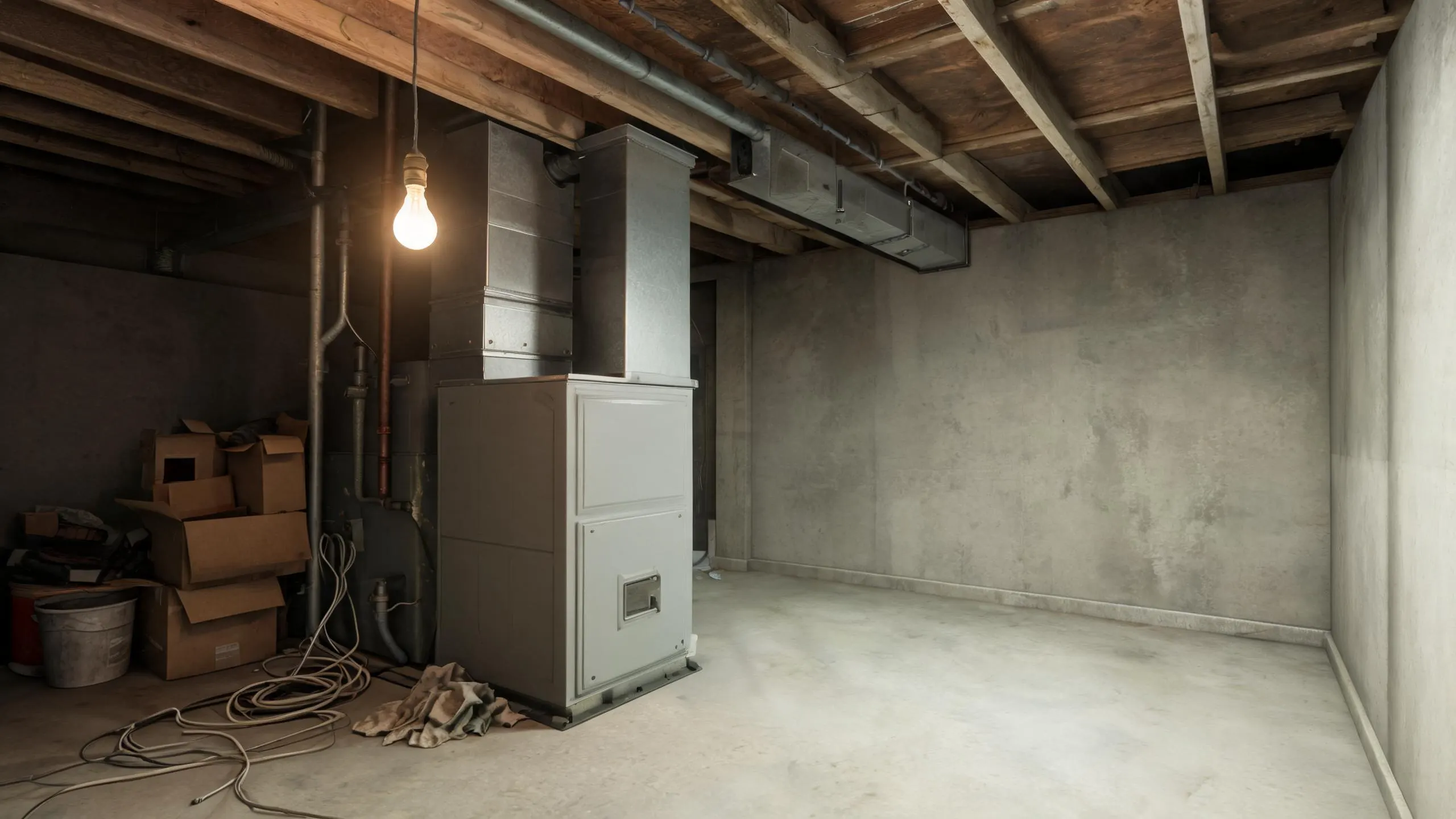
Eight months of heat puts a lot of hours on your furnace
Pottsville needs heat from October through May. That is eight months of the year, with winter nights averaging 21°F from December through February. A furnace running that long a season starts and stops many times a day, and each cycle wears a little more on the igniter and the burner.
46.7% of homes here heat with fuel oil, and an oil furnace depends on steady power to run the burner motor and controls. Schuylkill County has seen 20 winter storms and 71 damaging wind events over the past ten years, and across Pennsylvania, 15% of households lost power for at least 24 hours in 2024. When the power drops on a cold night, an oil furnace stops with it, and you feel the house cool down fast.
- 8 months
- October through May, your furnace is on duty
- 21°F
- the average winter night it heats against
- 20 winter storms
- in ten years, the nights a failure hurts most
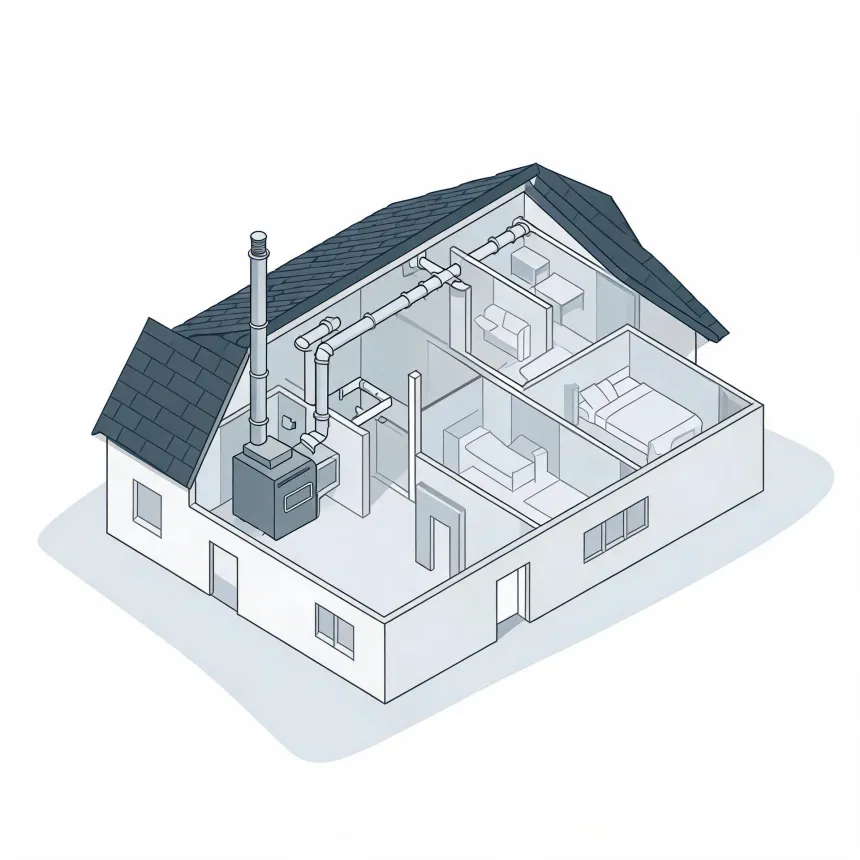
NOAA nClimDiv, 1991–2020 normals
Pennsylvania requires contractors to register with the state.
That registration puts the business on file with the Bureau of Consumer Protection, but nobody tested the contractor's gas work to issue it. No trade exam sits behind it. It tells you the business exists on paper, not that anyone checked how it repairs a furnace.
Since Pennsylvania does not license HVAC contractors, and cities and towns cannot step in with a license of their own, there is no exam or credential standing behind the gas connections on this repair anywhere in the state. That matters because a bad connection at the gas valve or the line running to your furnace is the dangerous part of the job. In Pennsylvania, the registration on file is the only state record that exists for the contractor doing it.
Source: Pennsylvania General Assembly
- Why won't my furnace turn on?
- Start with the thermostat. Make sure it's set to heat and the temperature is above room temperature, and check that it has power if it runs on batteries. If the thermostat looks fine, check the furnace switch, the one that looks like a light switch near the unit, and the breaker for it in your panel. Furnaces built in the last few decades won't run at all if the flame sensor or igniter has failed, even though the blower and everything else has power. A contractor can test those parts and tell you which one is out.
- Why is my furnace blowing cold air?
- Most often the burners haven't lit yet but the blower has already started, so you feel cold air for a short stretch before it warms up. If it stays cold, the igniter or flame sensor may have failed, which stops the burners from lighting at all while the fan keeps running. A dirty filter can also choke off airflow enough that what reaches the vents feels cool. If the air never warms up, a contractor needs to check the burners and the ignition system directly.
- Why won't my furnace pilot light stay lit?
- This usually means the thermocouple is worn out. It's the small part that senses the pilot flame and tells the gas valve to stay open. When it fails, the flame lights, then the gas shuts off seconds later and the pilot goes out again. A draft blowing across the pilot or a dirty pilot opening can cause the same thing, so a contractor needs to look at the part itself to know which it is. This is a gas part, so it's not something to keep relighting on your own if it keeps happening.