
Furnace Repair in Allentown, PA
Furnaces here run from October through May. If yours quits, tell us what it's doing and a licensed contractor who covers Lehigh County will get in touch.
Tell us about the job
It takes about a minute.
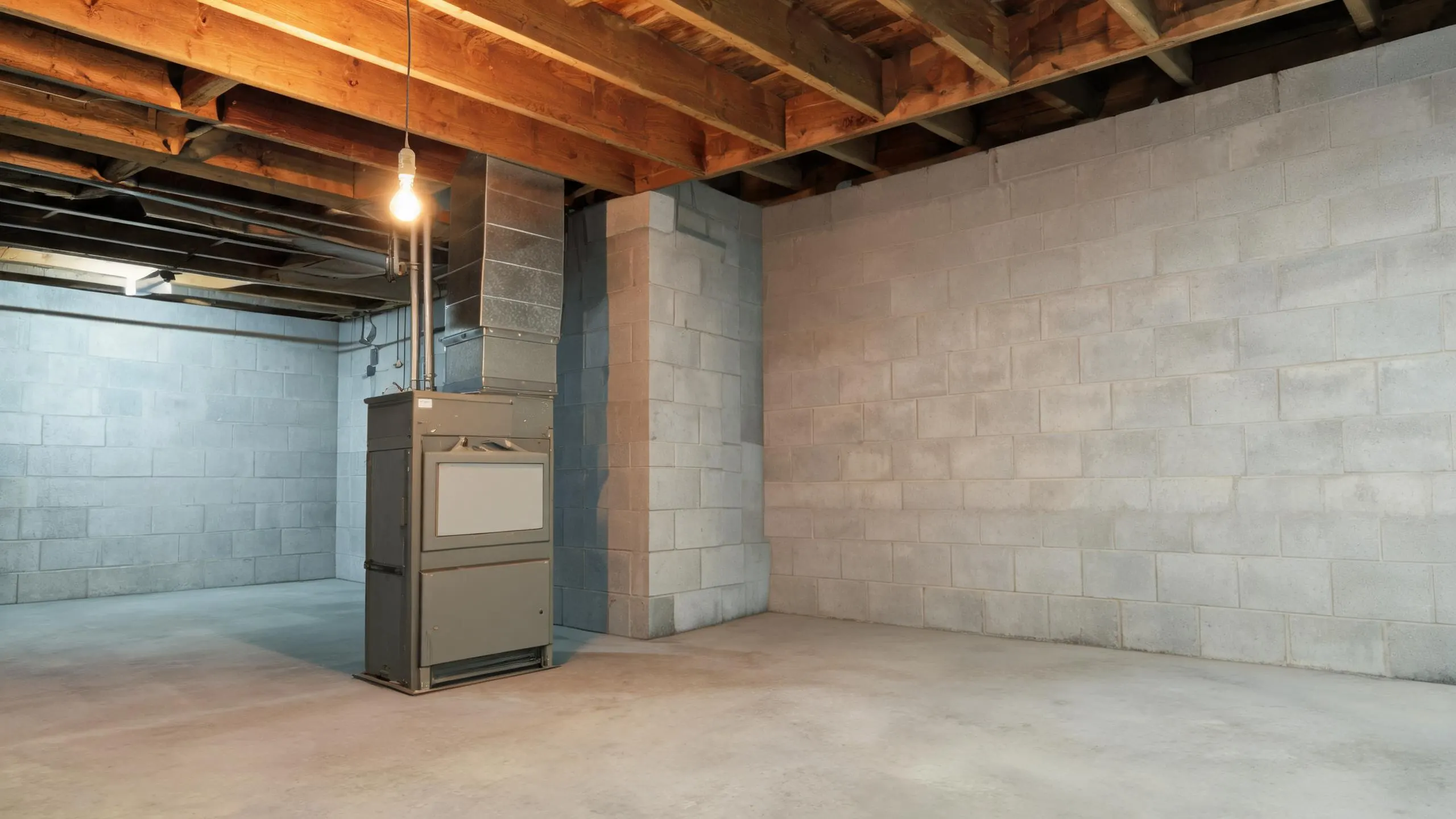
Eight months of heat puts real wear on a furnace
Your furnace works from October through May here, eight months out of the year. On the nights that average 22°F in December through February, it is not shutting off for long between cycles. That kind of run time wears on the igniter and the blower motor faster than a shorter season would.
Lehigh County has seen 22 winter storms and 211 damaging wind events over the past ten years, and storms like that knock out power. Statewide, 15% of households lost power for 24 hours or more in 2024. A furnace that runs on electricity for its blower and controls will not start on its own when the power drops, even if the burner itself runs on gas.
- 8 months
- October through May, your furnace is on duty
- 22°F
- the average winter night it heats against
- 22 winter storms
- in ten years, the nights a failure hurts most
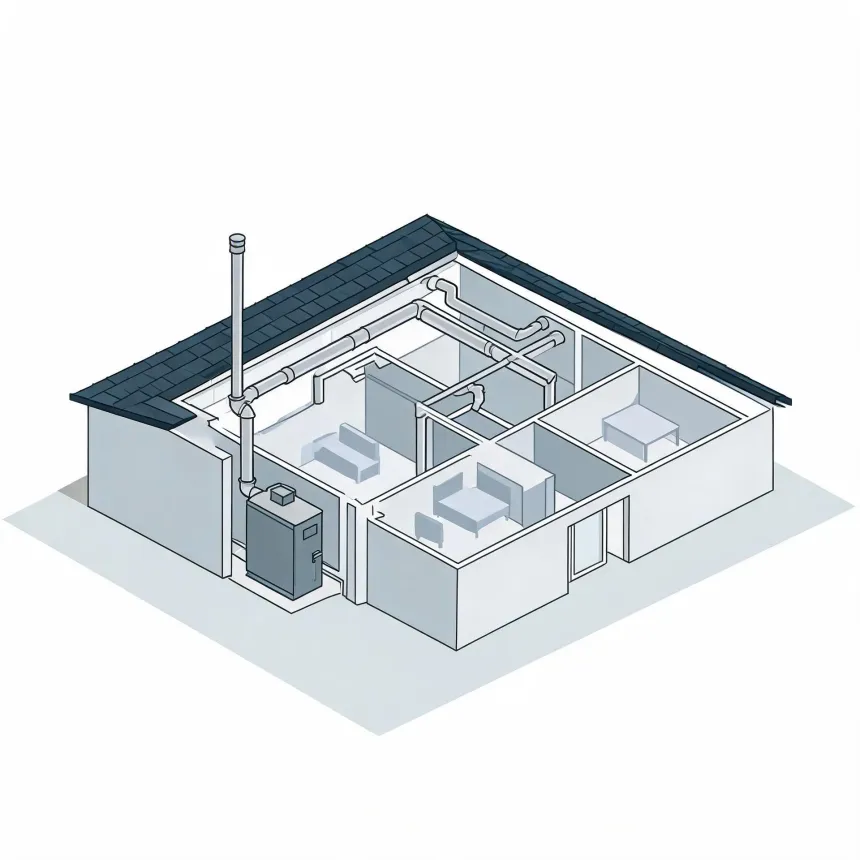
NOAA nClimDiv, 1991–2020 normals
Pennsylvania requires contractors to register with the state.
That registration puts the business on file with the state and gives it a number the state can trace back if something goes wrong. It does not mean anyone tested the contractor's gas work or checked their furnace repairs. Pennsylvania does not test HVAC contractors before they take work. Registration is a paper trail, not proof of skill.
Lehigh County cannot layer its own license on top of that, since Pennsylvania does not let cities or towns require one. So the registration is the only state-level record that exists for the person working on your furnace. A furnace repair usually means a gas line is opened or reconnected, and that connection is the part that has to be right. Nothing in Pennsylvania's registration rule tests for that. The state records who is doing the work. It does not grade how well they do it.
Source: Pennsylvania General Assembly
- Why won't my furnace turn on?
- Start with the thermostat. Check that it is set to heat and that the temperature is set above the room temperature, then check the breaker for the furnace and the switch that looks like a light switch near the unit, often mounted on the wall or on the furnace itself. If those are fine, the furnace may not be getting a signal to start, or it could be a safety switch holding it off. A furnace won't run if the flame sensor is dirty, if the door panel is not seated shut, or if the drain line for a high-efficiency furnace is clogged and tripping a float switch. A contractor can check which of these is stopping yours.
- Why is my furnace blowing cold air?
- In most cases the furnace is running the fan without a flame, so air is moving but nothing is heating it. This happens when the igniter fails, when the flame sensor is too dirty to detect a flame, or when the gas valve isn't opening. It can also mean the thermostat fan setting is on 'on' instead of 'auto', which pushes air through the vents between heating cycles even when the burners are off. With nights averaging 22°F here in the winter, a furnace stuck like this needs attention fast, since the house will lose heat quickly with only cold air moving through the ducts.
- Why won't my furnace pilot light stay lit?
- This usually means the thermocouple is worn out. The thermocouple is a small sensor that sits in the pilot flame and tells the gas valve it's safe to keep the gas flowing. When it wears out or sits out of position, it shuts the gas off within seconds of the pilot lighting, even though the flame looks fine. A draft blowing across the pilot or a clogged pilot orifice can cause the same problem. Since homes here need heat from October through May, a pilot that won't hold is worth having a contractor look at before the next cold stretch.