
Furnace Installation in Allentown, PA
A new furnace here will run from October through May every year. Tell us about the house, and a licensed contractor who covers Lehigh County will get in touch.
Tell us about the job
It takes about a minute.
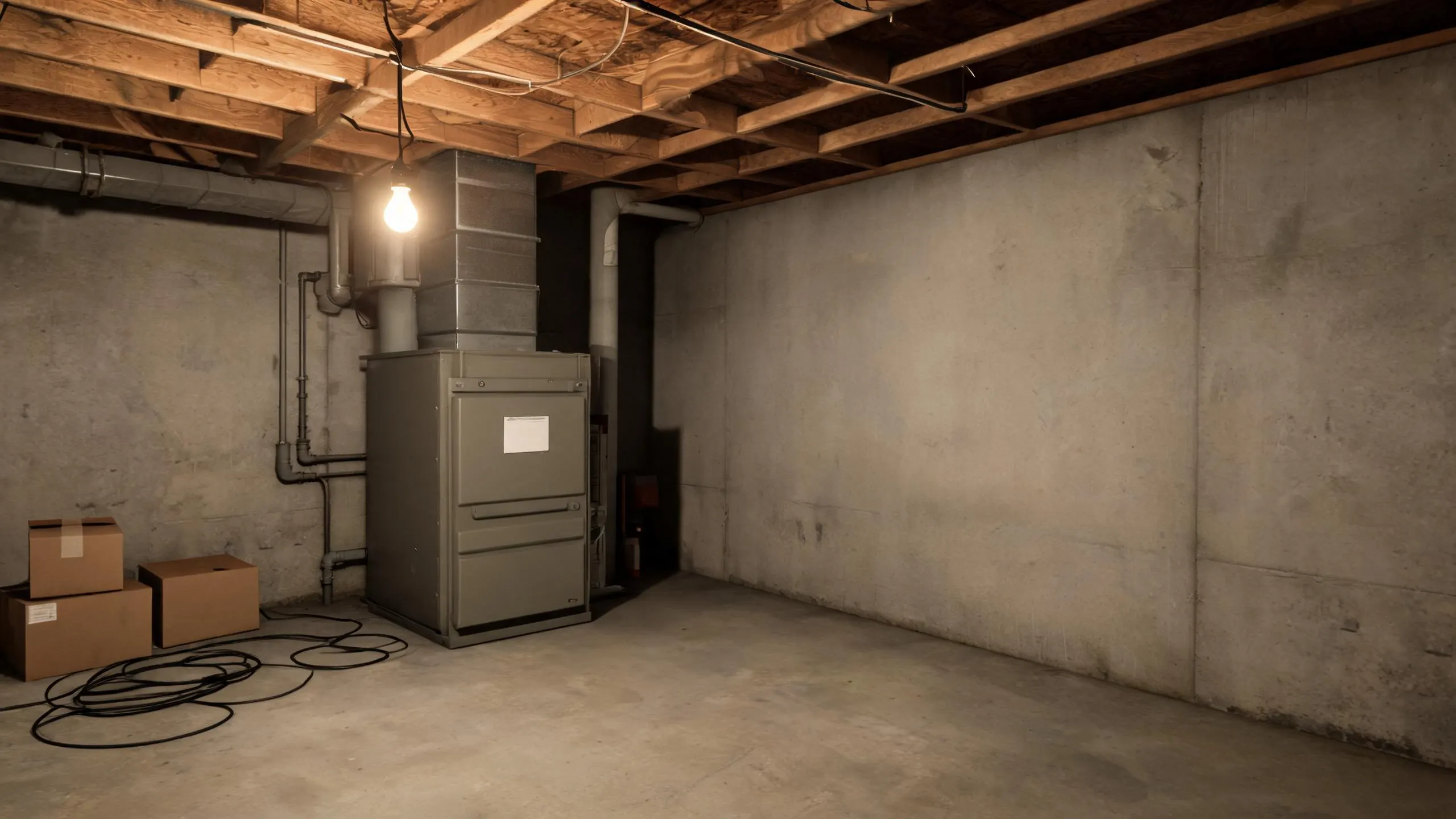
Eight months of heat, and nights near 22 degrees
Allentown needs a furnace from October through May. That's eight months of the year the burner is doing real work, not just taking the edge off. Winter nights average 22°F here, and a furnace sized and installed right has to hold that line night after night without strain.
Lehigh County has had 22 winter storms and 211 damaging wind events over the past ten years, and across Pennsylvania 15% of households lost power for at least 24 hours in 2024. A furnace that's installed correctly, with the right venting and controls, will come back on by itself once power returns. Any gas furnace installed new today has to meet a federal minimum of 80.0 percent AFUE, so it's turning most of the fuel it burns into heat for the house.
- 8 months
- October through May, your furnace is on duty
- 22°F
- the average winter night it heats against
- 80% AFUE
- the federal minimum any new unit must meet
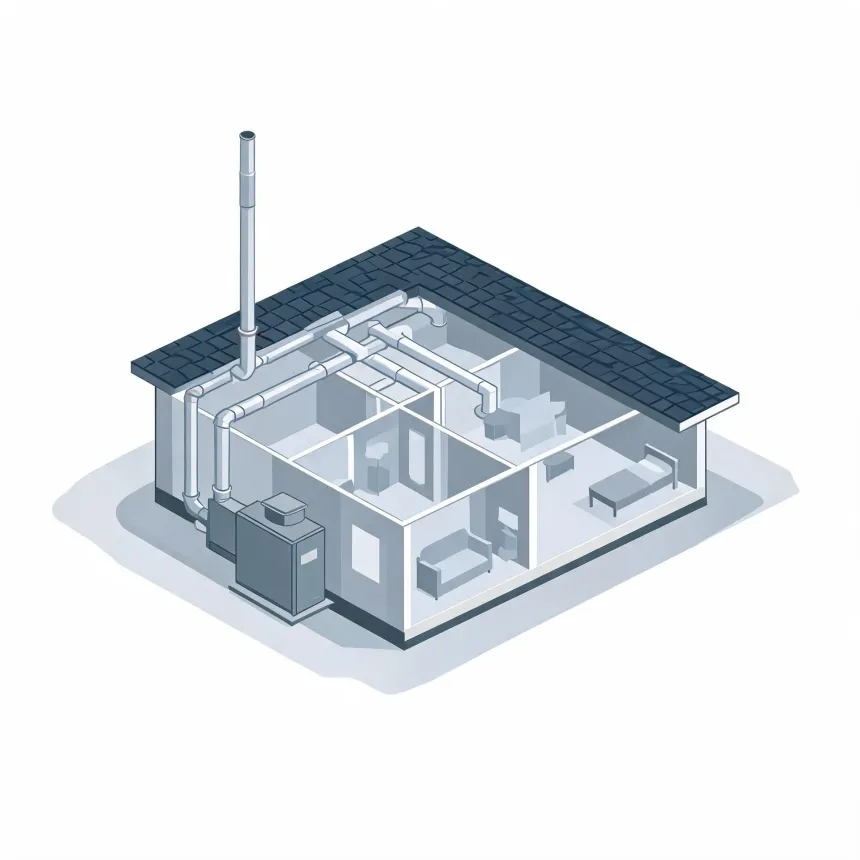
NOAA nClimDiv, 1991–2020 normals
Pennsylvania requires contractors to register with the state.
That registration puts the business on file with the state and nothing more. Nobody tested this contractor's furnace work to get that number, and Pennsylvania doesn't let Lehigh County or any city add a license requirement on top of it, so the registration is the only state record you'll find on them.
What stands behind this installation, in most places, is the permit. Lehigh County's building office will most likely want one for a furnace replacement, and an inspector checks the work when it's done, including the gas connection, which is the part of this job that can hurt someone if it's wrong. That inspection is where the accountability sits here, not in the registration.
Source: Pennsylvania General Assembly
- What size furnace does my house need?
- There is no fixed answer without a load calculation on your actual house. A contractor figures this by looking at your square footage, insulation, window count, and ceiling height, not just square footage alone. Going too big wastes fuel and cycles the furnace on and off too fast, wearing it out early. Going too small means it runs nonstop and still can't keep up on a night near 22°F, which is the average winter low here. Ask the contractor doing your quote for the calculation, not a guess.
- How do I know it's time to replace my furnace?
- Age is the first thing to check. If your furnace is old enough that parts are getting hard to find, a repair now is often just delaying the next one. Watch for uneven heat between rooms, a rise in gas bills without a reason, or the burner cycling on and off more than it used to. Ask the contractor for a repair quote next to a replacement quote and compare, especially with heat needed here from October through May.
- Is a high-efficiency furnace worth it?
- It depends on how long you plan to stay in the house and what furnace you have now. Any non-weatherized gas furnace made since November 2015 has to hit at least 80.0 percent AFUE, so even a standard model today is more efficient than an older one. High-efficiency models push past that baseline, meaning less fuel is lost out the flue, and with heat needed here from October through May, that difference adds up over a full season. A contractor can walk through what your current furnace is rated at and what the jump would actually mean for your house.