
HVAC Repair in Allentown, PA
Homes here need heat from October through May and cooling from June through August. If your system quits, tell us what it's doing and a licensed contractor who covers Lehigh County will get in touch.
Tell us about the job
It takes about a minute.
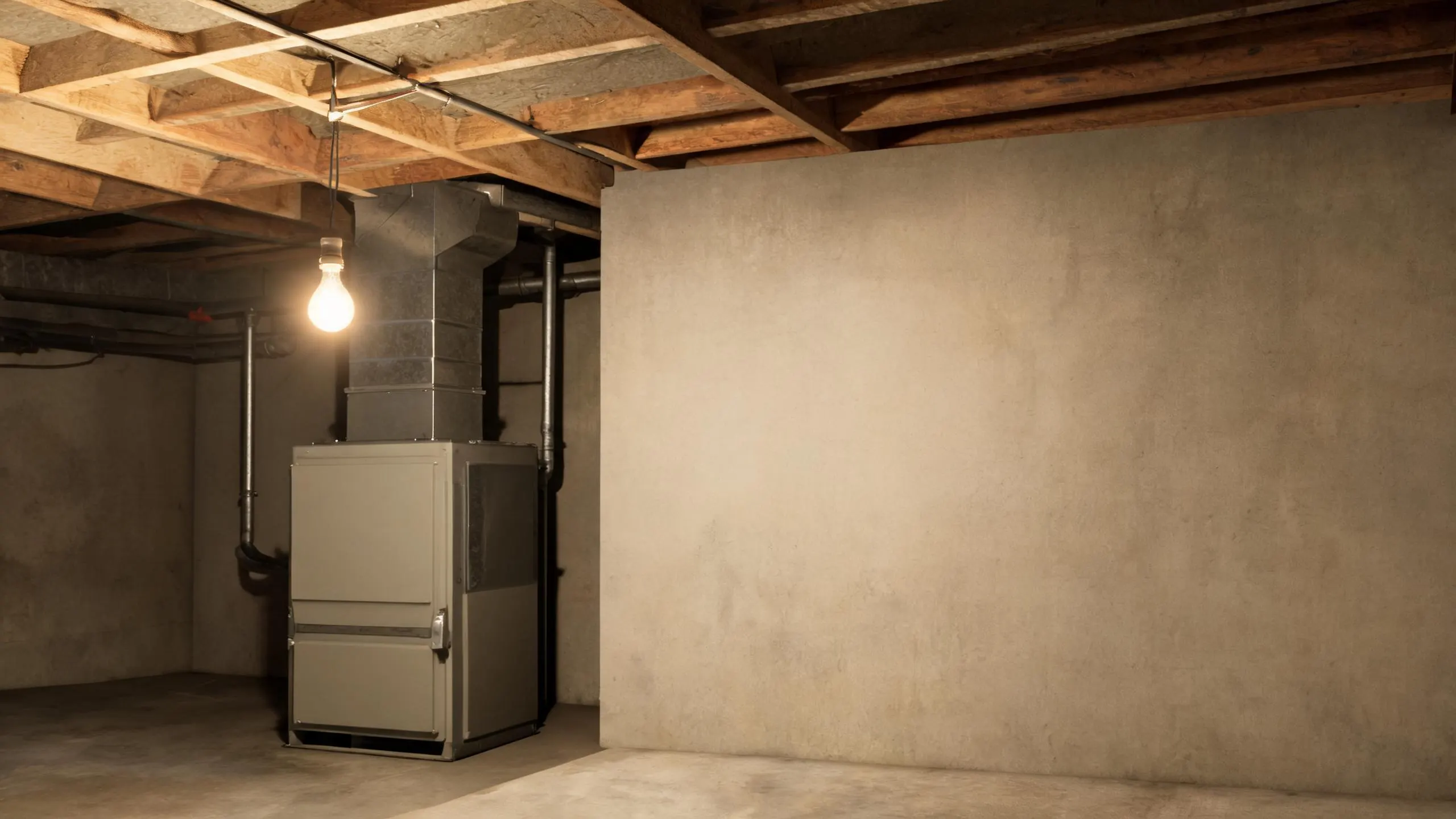
Eleven months of work for your system
Your furnace runs from October through May here, and winter nights average 22°F. On the cold nights it works hardest, cycling on and off to hold the temperature, and each start puts wear on the igniter and the ignition control board. When one of those finally gives out, the furnace won't light at all and the house goes cold.
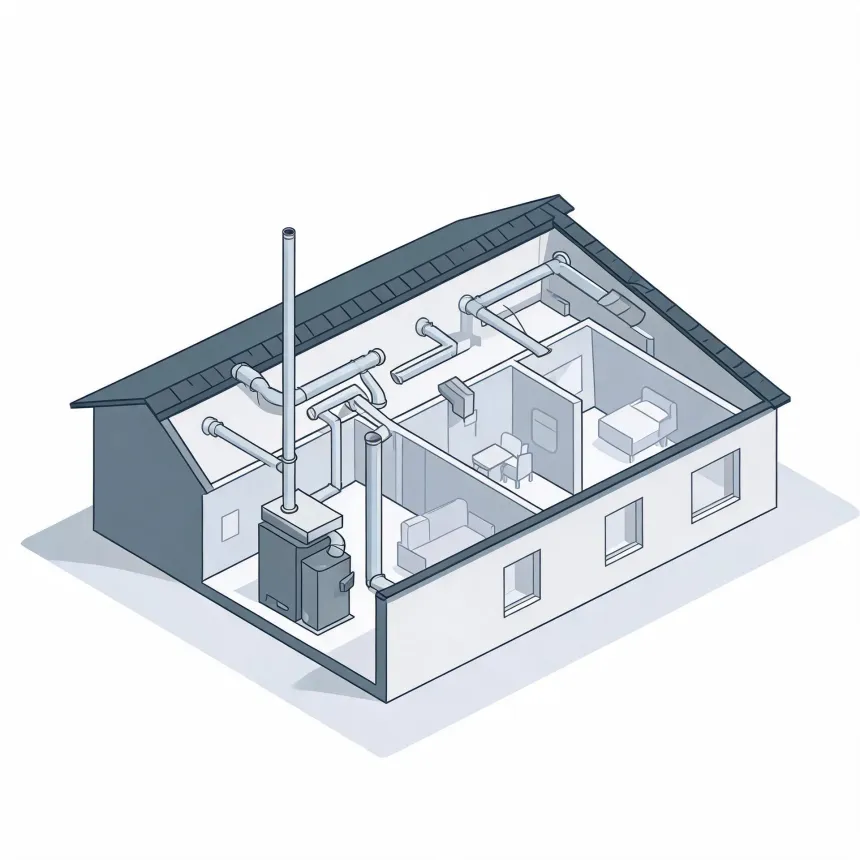
Then summer turns things around, with afternoons averaging 83°F asking the air conditioner to carry the load. The compressor and the capacitor that starts it take the strain, and a failing capacitor is a common reason an air conditioner hums but the fan won't turn. Lehigh County has also logged 22 winter storms and 211 damaging wind events over the past ten years, and the power loss that can follow a storm may leave a furnace's control board needing a reset or a heat pump not running until someone restarts it.
- 8 months
- October through May, your system heats
- 3 months
- June through August, it cools
- 22°F
- the average winter night it heats against
- 83°F
- the average summer afternoon it cools against
NOAA nClimDiv, 1991–2020 normals
Pennsylvania requires contractors to register with the state.
Contractors register with the Bureau of Consumer Protection.
Look up a contractor's registration on the Bureau of Consumer Protection's website.Sources: Pennsylvania General Assembly · Pennsylvania Office of Attorney General
- Why is my heat not working?
- Most of the time it's the igniter, the thermostat, or the power to the unit. Check the thermostat first and make sure it's set to heat and the batteries are good. Then check your breaker panel for a tripped switch. If the furnace tries to start but shuts off again, that's usually the igniter or a safety switch, and it needs a contractor to look at it. At 22°F on a winter night here, this isn't something to leave for long.
- Why is my system running but not cooling the house?
- Check the air filter first. A filter clogged with dust blocks airflow across the coil, and the coil can ice over, which makes the air coming out feel warm even though the system is running. Check the outdoor unit too, and clear away any leaves or debris around it. If the filter is clean and the outdoor unit is clear and you're still not getting cool air, the refrigerant charge or the compressor needs a contractor's gauge to diagnose.
- What can I check before calling for HVAC repair?
- Start with the thermostat. Make sure it's set correctly and the batteries aren't dead. Next check your breaker panel for anything tripped, since a reset there can solve the problem outright. Check the air filter and replace it if it's dirty, since a blocked filter causes both heating and cooling problems. If it's a gas furnace, check that the gas valve is open. Once you've checked these and the problem is still there, tell the contractor what you found. It narrows down what they're looking for.