
HVAC Installation in Reading, PA
A new system here will heat from October through May and cool from June through August every year. Tell us about the house, and a licensed contractor who covers Berks County will get in touch.
Tell us about the job
It takes about a minute.

Eleven months of work, most years
In Reading, a heating and cooling system is almost never off duty. Homes here need heat from October through May, then cooling picks up for June through August. That is eleven months a year one system or the other is running, with only a short break between them.
Winter nights average 23°F, cold enough that a furnace or heat pump is working hard for most of its eight months on. Summer afternoons average 83°F, so the cooling side has real heat to answer for even in its shorter three-month stretch. A new system here has to be sized for both jobs, not just the one that happens to be running when it's installed.
- 8 months
- October through May, your system heats
- 3 months
- June through August, it cools
- 23°F
- the average winter night it heats against
- 83°F
- the average summer afternoon it cools against
NOAA nClimDiv, 1991–2020 normals
Pennsylvania requires contractors to register with the state.
That registration puts the business on file with the state and nothing more. Nobody tested this contractor on how to size a system, run a gas line or charge refrigerant. The state also keeps Berks County from adding its own HVAC license on top of that, so this registration is the only state-level record that exists on a contractor here.
For a heating and cooling installation, the protection that matters comes from the local building office, not the state. In most cities and counties, swapping in a new furnace, air conditioner or heat pump needs a permit, and the work gets inspected once it's done. That inspection is what catches a bad gas connection or a mistake in how the system was installed, the parts of the job that can actually hurt someone.
Source: Pennsylvania General Assembly
- When should I replace my HVAC system?
- Replace it when repairs start happening every year, when it's past 15 years old, or when it can't keep the house warm through a night that hits 23°F. An old furnace that struggles in December will only get worse as the winter goes on. If a contractor is telling you the same part is wearing out again, that's the sign to stop repairing and start planning a replacement.
- Should I replace my furnace and air conditioner at the same time?
- If both are old, yes, it's worth doing together. Replacing them at the same time means the whole system, including the coil and the airflow between them, is matched and sized correctly, instead of pairing new equipment with an aging unit it was never designed to work alongside. It also means one visit instead of two down the road. If one unit is much newer than the other, there's no reason to replace the newer one early.
- What happens during an HVAC installation?
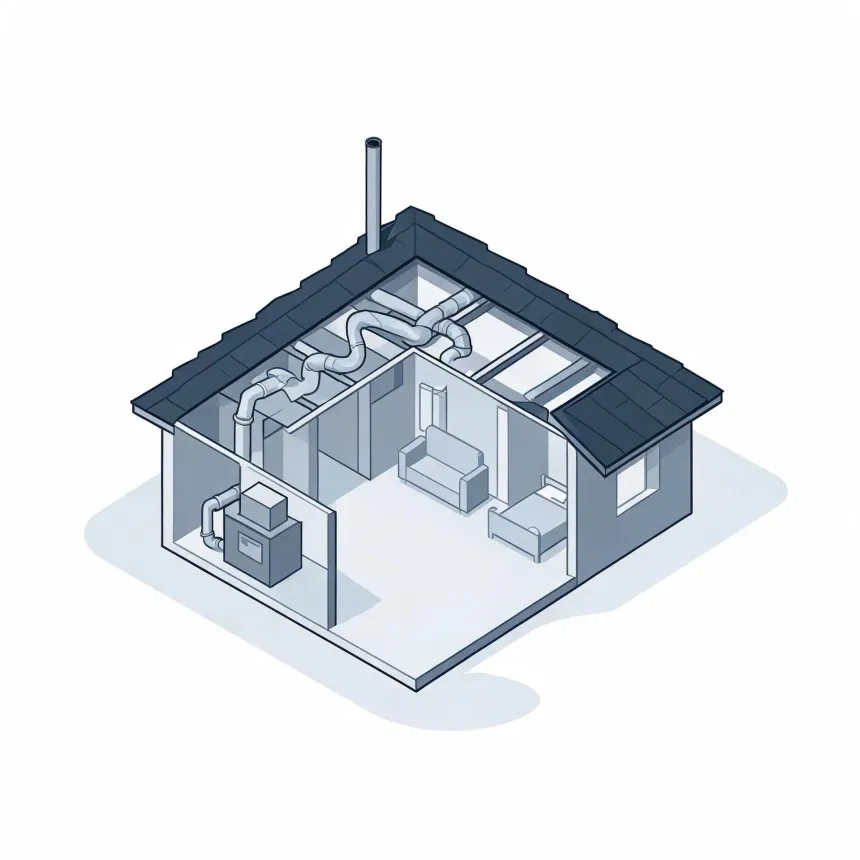
- A contractor removes the old furnace, air conditioner, or both, and sets the new equipment in place, connecting it to the existing ductwork, gas line, electrical, and condensate drain. The system gets tested for correct airflow, refrigerant charge, and safe operation before the contractor walks you through it. Depending on the house, some duct or venting work may be needed to match the new equipment. A contractor can walk you through what your specific installation will involve.