
HVAC Repair in Chester, PA
Homes here need heat from October through April and cooling from June through September. If your system quits, tell us what it's doing and a licensed contractor who covers Delaware County will get in touch.
Tell us about the job
It takes about a minute.
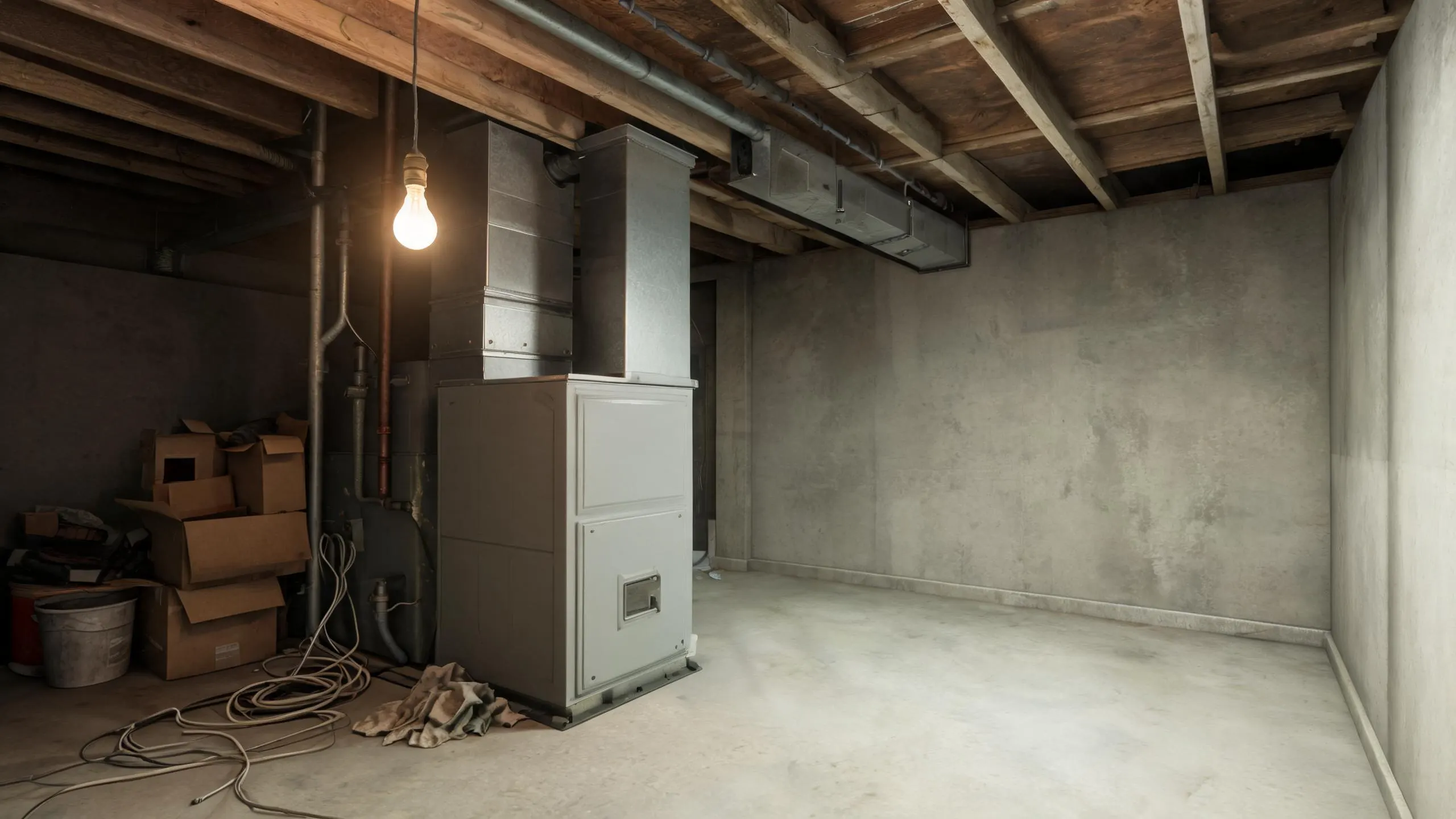
Chester's system runs almost all year
Your furnace and your air conditioner are both working most of the year here. Heat runs October through April, seven months straight. Cooling picks up June through September. Only one month off in between.
Winter nights averaging 27°F mean the burner cycles on and off for hours at a stretch, and every start puts load on the igniter. Summer afternoons near 85°F push the compressor hard for four months without a break. Add in the storms, 18 winter storms and 166 damaging wind events over the last ten years, and the power blinks or drops. Most furnaces and thermostats come back on their own once power returns, but if yours doesn't restart, that's what to check first.
- 7 months
- October through April, your system heats
- 4 months
- June through September, it cools
- 27°F
- the average winter night it heats against
- 85°F
- the average summer afternoon it cools against
NOAA nClimDiv, 1991–2020 normals

A new furnace and air conditioner would cut about $160 a year off heating and cooling for a typical Delaware County home.
Estimates for a typical Delaware County home, compared with an older unit built to the previous federal minimum, from EIA household energy data, Pennsylvania fuel prices and NOAA climate normals. Your home will differ.
Repair makes sense when one part has failed.
Replacement makes sense when the furnace's heat exchanger is cracked, the air conditioner's compressor has failed, or repairs keep coming.
Pennsylvania requires contractors to register with the state.
That registration puts the business on file with the state, but nobody tested the contractor's work to get it. There is no trade exam behind it and no license that can be pulled if the work is bad. Pennsylvania also keeps cities and towns from layering on their own HVAC license, so this registration is the only state-level record that exists, no matter where in Delaware County the home is.
For a repair like this, the registration is not what stands behind the technical work itself. It confirms the business is on file, not that the person touching your furnace or your refrigerant lines knows what they are doing. A gas connection that is loose or poorly sealed is the dangerous part of a heating repair, and Pennsylvania's registration does not test for that or check it afterward.
Source: Pennsylvania General Assembly
- Why is my heat not working?
- Start with the thermostat and the power to the furnace before you assume the worst. Check that the thermostat is set to heat and a few degrees above room temperature. Check the breaker too, and any switch near the furnace that looks like a light switch. If you have a gas furnace, look at the flame through the sight glass. If it will not light, or it lights and shuts off again, the igniter or flame sensor is a likely cause. Winter nights here average 27°F, so a furnace that will not stay lit needs attention the same day, not the same week.
- Why is my system running but not cooling the house?
- Check the air filter first. A filter clogged with dust chokes off airflow across the indoor coil. When that happens the coil can ice over and blow warm air even though the system is running. Look at the outdoor unit too, and clear away leaves, grass clippings or anything blocking the fins. If the filter is clean and the outdoor unit is clear but the air still is not cold, the system likely needs a contractor to check refrigerant charge or the compressor.
- What can I check before calling for HVAC repair?
- Check the thermostat settings, and the batteries in it if it uses them. Check the breaker for the system too. Check the air filter and replace it if it is gray or clogged, since a blocked filter causes both heating and cooling problems. Look at the outdoor unit for anything blocking it, and check that vents inside the house are open and not blocked by furniture. If the system still is not working after that, tell the contractor what you checked. It saves time on the visit.