
HVAC Repair in Harrisburg, PA
Homes here need heat from October through May and cooling from June through August. If your system quits, tell us what it's doing and a licensed contractor who covers Dauphin County will get in touch.
Tell us about the job
It takes about a minute.
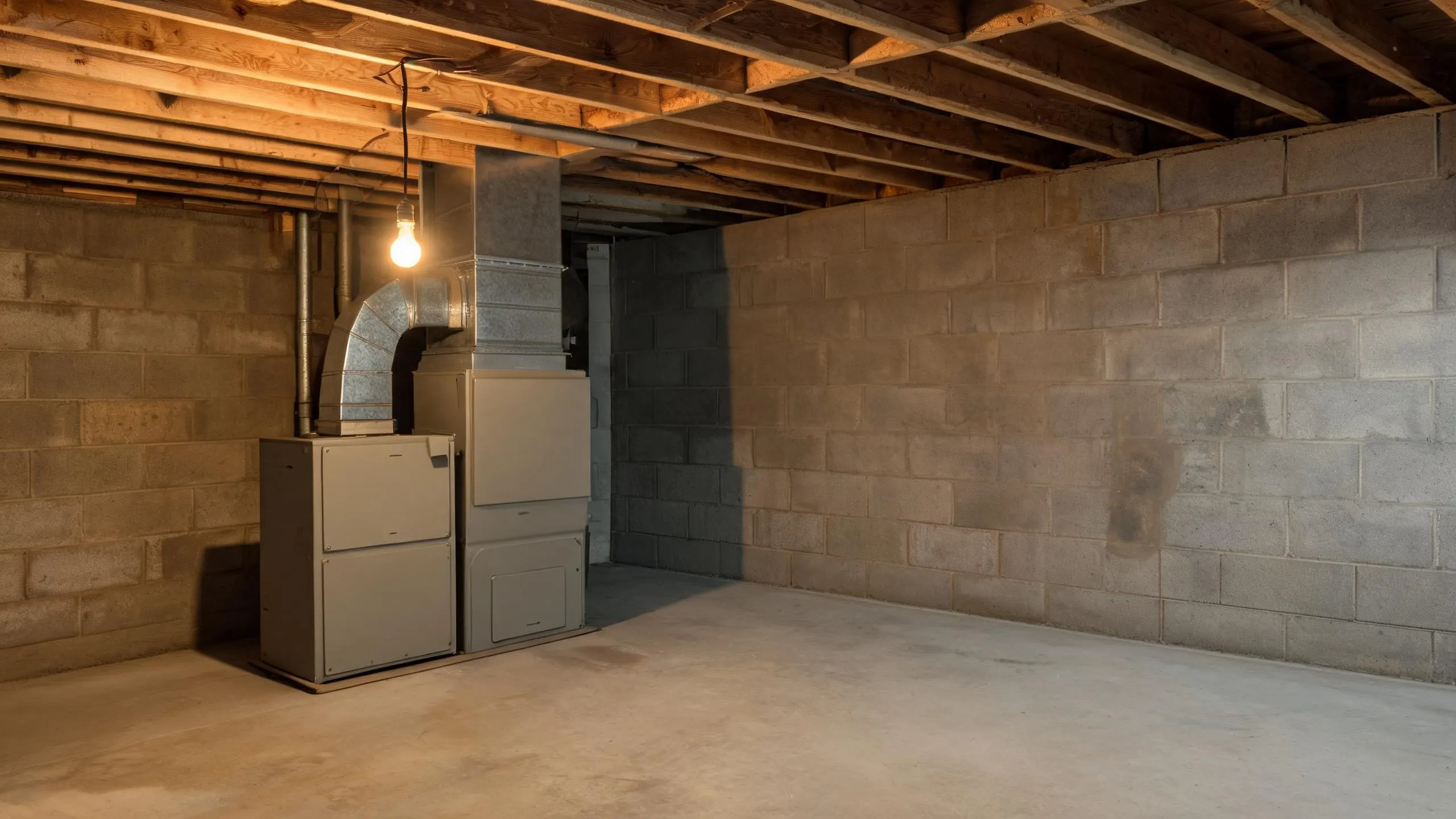
Eleven months of work a year, in weather that swings hard
Your furnace and your air conditioner both earn their keep here. Heat runs October through May, eight months. Cooling picks up June through August. That leaves the system idle for one month, and every other month something in your house is asking it to work.
Winter nights averaging 24°F mean long burner cycles, night after night. That kind of run time wears on the igniter and the heat exchanger before their time. Summer afternoons near 82°F push the compressor hard on the other end. Dauphin County has seen 18 winter storms and 149 damaging wind events over the past ten years, and storms mean the power can drop mid-cycle. Across Pennsylvania, 15% of households went at least 24 hours without power in 2024. A furnace or air conditioner that loses power mid-cycle does not always come back on the way it should, and that is when you notice the house isn't warming up or cooling down right.
- 8 months
- October through May, your system heats
- 3 months
- June through August, it cools
- 24°F
- the average winter night it heats against
- 82°F
- the average summer afternoon it cools against
NOAA nClimDiv, 1991–2020 normals
Pennsylvania requires contractors to register with the state.
Registration puts a contractor's business on file with the Bureau of Consumer Protection. It confirms the business exists and can be traced back to a name and address if something goes wrong. Nobody tests the contractor's trade knowledge to get there, so it is not a license and does not work like one. Pennsylvania also does not let cities or towns add their own HVAC license on top of this, so the registration is the only state-level record you will find on a contractor anywhere in Dauphin County.
Since there is no license behind this job, nothing at the state level stands in for one on a heating and cooling repair. The registration tells you the business is on record. It does not tell you who is qualified to work on your system.
Source: Pennsylvania General Assembly
- Why is my heat not working?
- Start with the thermostat. Make sure it's set to heat and the temperature is set above room temperature, since a setting bumped a degree or two can look like a dead furnace. If the thermostat is fine, check the breaker for the furnace and the switch that looks like a light switch near the unit, sometimes it gets bumped off. A furnace that won't fire at all, especially on a night near freezing, needs a contractor to look at the igniter or the gas valve rather than something you can safely fix yourself.
- Why is my system running but not cooling the house?
- Check the air filter first. A filter clogged with dust blocks airflow across the coil, and when that happens the coil can freeze up and stop cooling the air even though the unit keeps running. If the filter looks fine, check that the outdoor unit isn't blocked by leaves or grass clippings, since it needs open air around it to move heat outside. If the air coming from the vents is warm and the filter and outdoor unit are both clear, the system likely needs refrigerant checked by a contractor.
- What can I check before calling for HVAC repair?
- Check the thermostat settings and its batteries if it has a screen that's blank or dim. Check the breaker panel for a tripped breaker on the furnace or air conditioner circuit. Check the air filter and replace it if it's gray or clogged, since restricted airflow causes problems in both heating and cooling. If the outdoor unit isn't running, make sure the disconnect switch near it is pushed in, and clear away any leaves or debris around it. If you've checked these and the system still isn't working, a contractor can diagnose what's next.