
HVAC Installation in Scranton, PA
A new system here will heat from September through May and cool from July through August every year. Tell us about the house, and a licensed contractor who covers Lackawanna County will get in touch.
Tell us about the job
It takes about a minute.
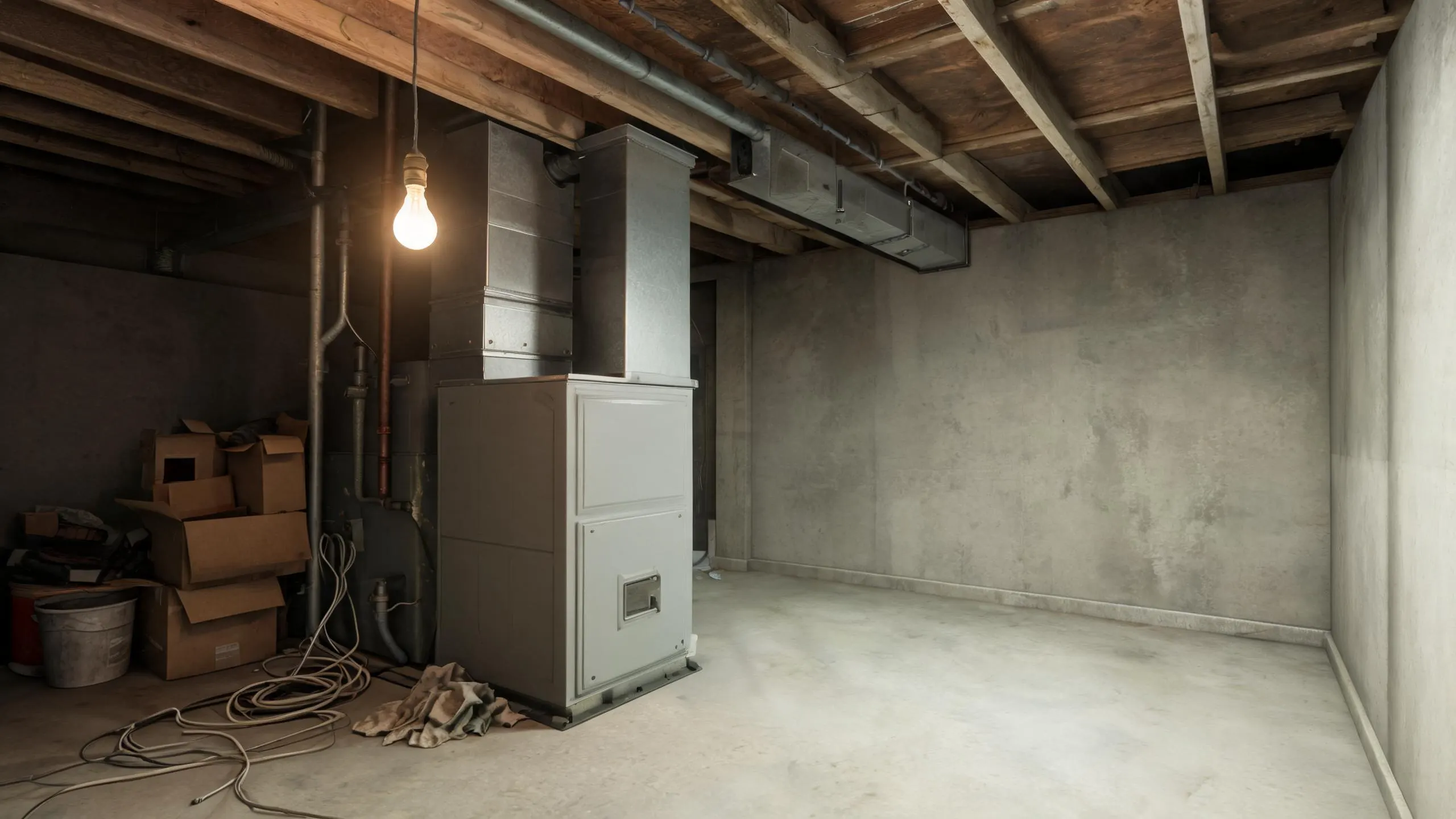
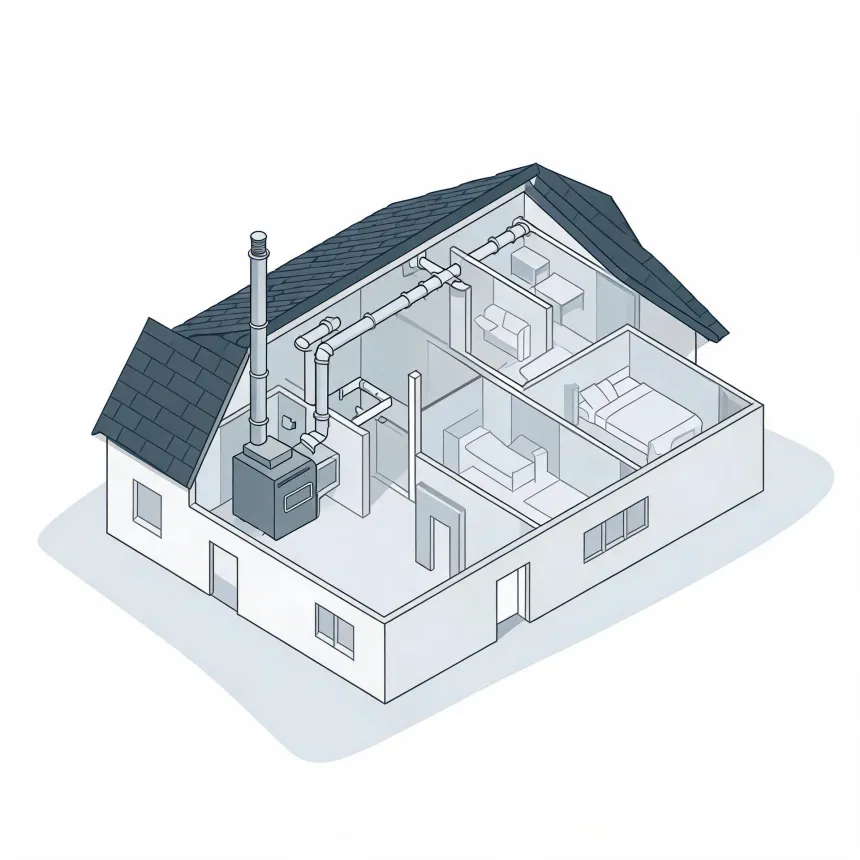
A new system here works nine months of heat and two months of cooling
Winter nights in Scranton average 19°F from December through February. Whatever you put in needs to hold a house warm at that temperature, night after night, from September through May. That's 9 months of the year on heat alone.
Summer only asks for two months of cooling, with afternoons averaging 78°F, but the equipment still needs to handle both jobs well since 11 months of the year call for one or the other. Most homes here heat with gas, and a new furnace or system has to meet the federal efficiency minimum set for gas heat. Winter storms are common in Lackawanna County, and the power does go out. If you're choosing a new system, ask what it needs from the electrical grid to run, and what happens to your heat if that power drops on a cold night.
- 9 months
- September through May, your system heats
- 2 months
- July through August, it cools
- 19°F
- the average winter night it heats against
- 78°F
- the average summer afternoon it cools against
NOAA nClimDiv, 1991–2020 normals
Pennsylvania requires contractors to register with the state.
Registration puts a contractor's business on file with the Bureau of Consumer Protection. Nobody tested their HVAC knowledge to get that number, and nobody checks their installation work against it. It tells you the business exists on paper, not that it does good work. Pennsylvania doesn't let cities and towns add their own HVAC license on top of this, so wherever you are in Lackawanna County, this registration is the extent of the state's involvement.
For an installation like this one, most local building offices require a permit, and an inspector checks the work once it's done, the gas connections, the electrical, the way the unit is set up. Where that permit is required, the inspection is what stands between you and a bad install, not the registration.
Source: Pennsylvania General Assembly
- When should I replace my HVAC system?
- Replace it when repairs start costing more than they're worth, or when the system is old enough that another breakdown is just a matter of time. A cracked heat exchanger or a failing compressor is a sign to replace rather than repair. Your furnace here runs September through May, so a breakdown in the middle of that stretch, with winter nights averaging 19°F, is worth avoiding. A contractor can look at the age and condition of your equipment and tell you whether it still makes sense to fix.
- Should I replace my furnace and air conditioner at the same time?
- If both units are old, replacing them together often makes sense, since a furnace and air conditioner installed years apart may not be matched to work well as a pair. A mismatched system can run less efficiently and wear out sooner. That said, if your air conditioner is only a few years old and your furnace just failed, there's no reason to replace something that's still working well. A contractor can look at the age and condition of both and tell you whether pairing them makes sense for your house.
- What happens during an HVAC installation?
- A contractor removes the old furnace, air conditioner, or both, and sets the new equipment in place, connecting it to your ductwork, gas line or electrical circuit, and the vent or flue. They'll check refrigerant lines if a condenser is involved, wire the thermostat, and test the system through a full heating or cooling cycle before calling the job done. On a furnace, that includes checking that the igniter and flame sensor are working and that the unit is drawing gas and venting correctly. A contractor will walk you through what your installation involves before starting, since the job is sized around your specific house.