
HVAC Installation in East Stroudsburg, PA
A new system here will heat from October through May and cool from July through August every year. Tell us about the house, and a licensed contractor who covers Monroe County will get in touch.
Tell us about the job
It takes about a minute.
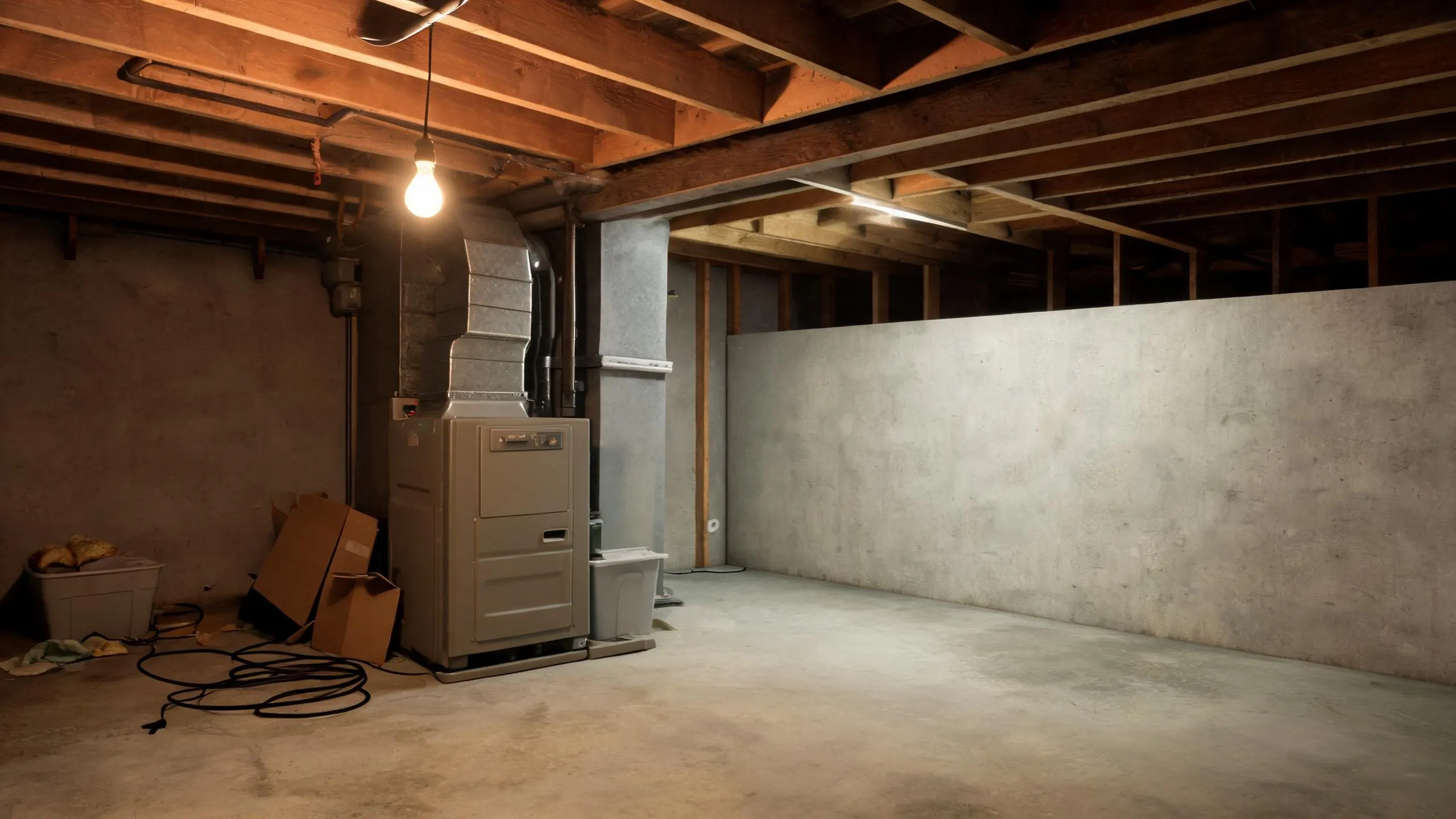
Ten months of work, most winters near 19 degrees
Your new system needs to hold up in East Stroudsburg from October through May, when the heat runs, and again in July and August, when the air conditioner takes over. That is ten months a year with the furnace or the heat pump doing something. Winter nights here average 19°F, cold enough that the heating side is working hard most of the season, not just on the coldest snap. Summer afternoons average 79°F, so the cooling side isn't asked to fight extreme heat, but it still needs to keep up through July and August.
Monroe County has seen 27 winter storms and 174 damaging wind events over the past ten years, and 15% of Pennsylvania households lost power for at least 24 hours in 2024. 46.4% of homes here heat with electricity, so when the power goes out, the heat goes with it unless the system is set up to handle that. Worth asking about when you're choosing what goes in.
- 8 months
- October through May, your system heats
- 2 months
- July through August, it cools
- 19°F
- the average winter night it heats against
- 79°F
- the average summer afternoon it cools against
NOAA nClimDiv, 1991–2020 normals
Pennsylvania requires contractors to register with the state.
That registration puts the business on file with the state and nothing more. Nobody tested this contractor's HVAC knowledge to get that number, and the state does not track their work job to job. Monroe County cannot layer its own license on top, since Pennsylvania does not let cities and towns run their own HVAC licensing.
So for a job like this, the protection is not a license, since Pennsylvania has none to offer. In most cities and counties, it comes from the permit and inspection the local building office requires for a furnace, air conditioner or heat pump installation. That inspection is what catches a bad connection or a mistake in the venting before it becomes dangerous, and it happens after the equipment is in and running.
Source: Pennsylvania General Assembly
- When should I replace my HVAC system?
- Replace it when repairs start costing more than they used to, or when the system can't keep the house at 19 degree nights and 79 degree afternoons without struggling. A furnace or air conditioner past 15 years old is working harder than it should, and parts get harder to find as a unit ages. If you're calling someone out more than once a season, that's usually the sign. A contractor can look at the specific unit and tell you whether another repair makes sense or whether you're just delaying the inevitable.
- Should I replace my furnace and air conditioner at the same time?
- If both are old, replacing them together often makes sense because they're built to work as a matched pair. A furnace and air conditioner installed at different times can end up mismatched in a way that hurts efficiency and puts extra strain on whichever one is newer. Homes here need heat eight months a year and cooling only two, so the furnace does most of the work and tends to wear out first. If your air conditioner still has years left in it, a contractor can tell you whether it's worth waiting or pairing it with the new furnace now.
- What happens during an HVAC installation?
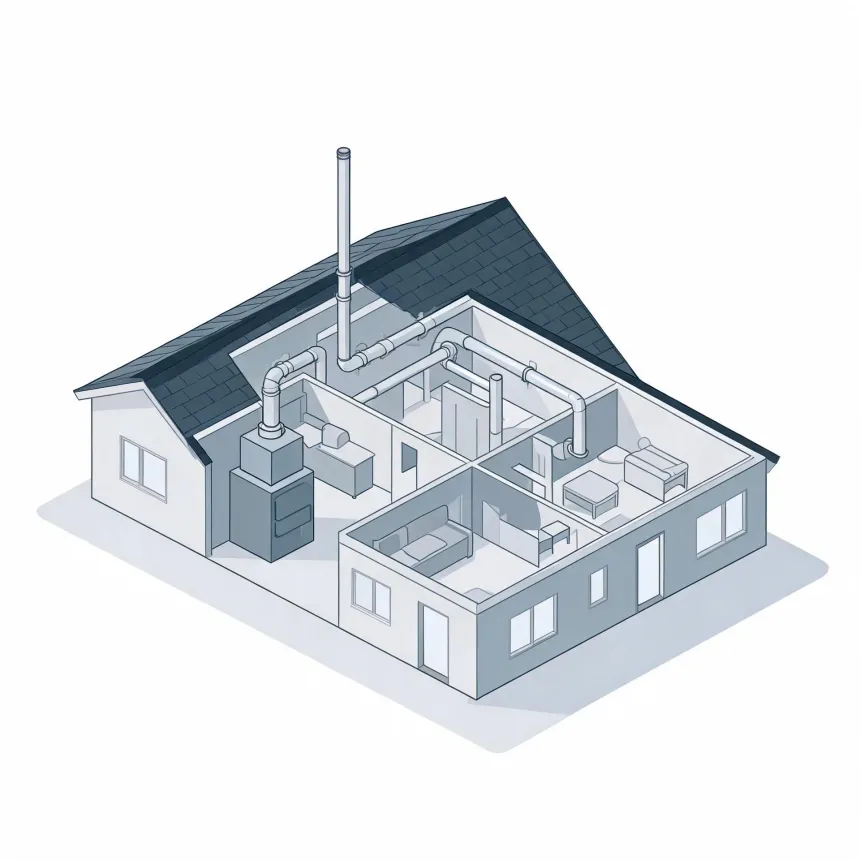
- A contractor removes the old equipment, checks the ductwork and venting, and sets the new furnace or air conditioner in place. They connect it to the gas line, electrical, refrigerant lines, or ductwork depending on what's being installed, then test it to make sure it's running correctly. Sizing matters here. A system too big or too small for the house won't heat evenly through winter nights or keep up on the handful of hot summer afternoons. Once it's running, the contractor should walk through what the thermostat settings do and what maintenance the new system needs.