
HVAC Installation in Economy, PA
A new system here will heat from October through May and cool from June through August every year. Tell us about the house, and a licensed contractor who covers Beaver County will get in touch.
Tell us about the job
It takes about a minute.
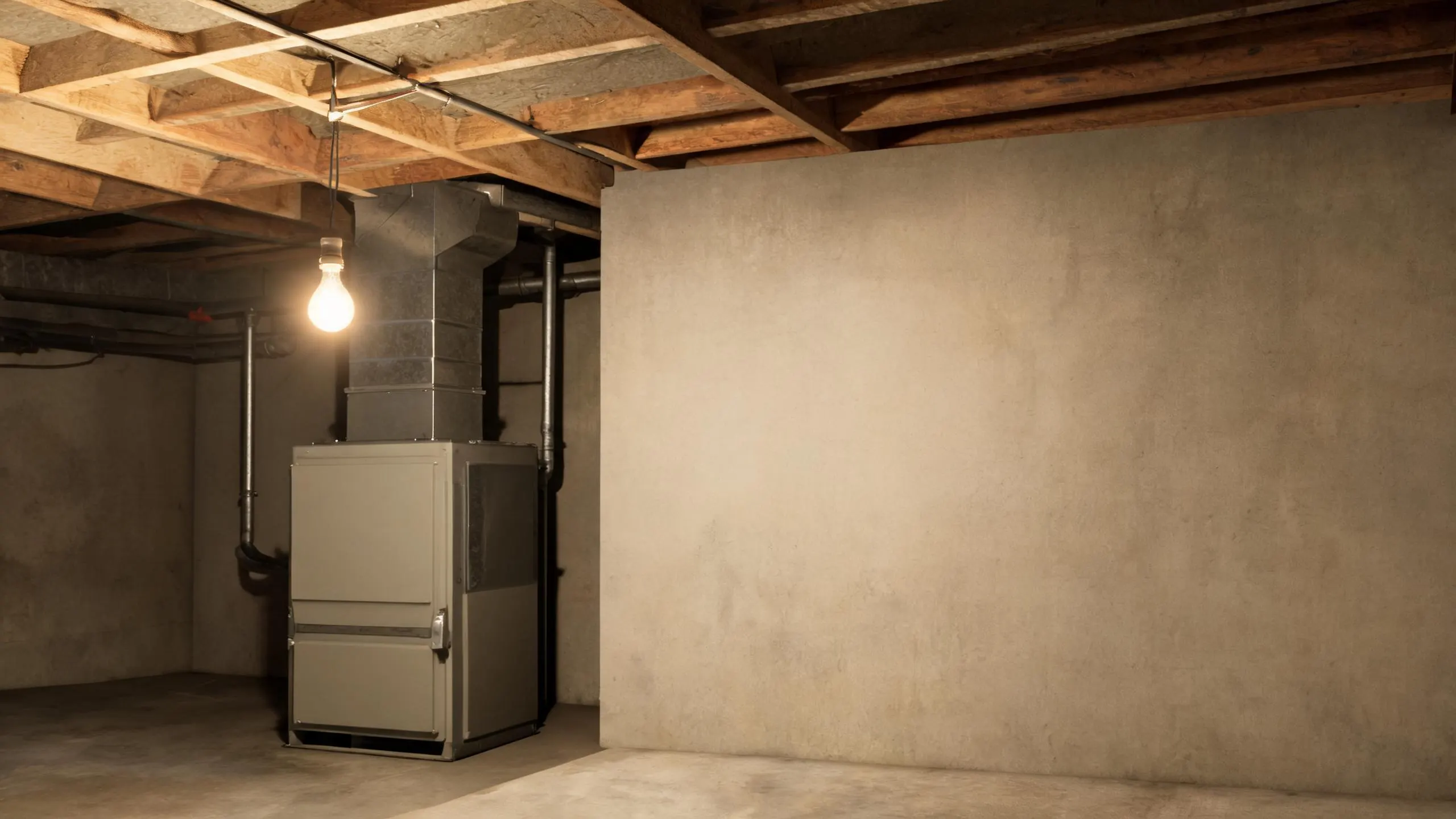
Economy asks a lot of a heating and cooling system
Winter nights here average 23°F from December through February, and the furnace or heat pump has to keep up with that for eight months, October through May. Summer only asks for three months of cooling, with afternoons averaging 82°F, but the system still needs to handle both jobs well. Eleven months out of the year, something in your house is working to keep the temperature where you want it.
Most homes in this area heat with gas, and a new furnace has to meet the federal minimum efficiency rating no matter who installs it. The area has also seen its share of winter storms and damaging wind, and across Pennsylvania about 15% of households lost power for a full day or more in 2024. A new system installed here has to be sized and set up to handle the cold nights and the outages that sometimes come with them.
- 8 months
- October through May, your system heats
- 3 months
- June through August, it cools
- 23°F
- the average winter night it heats against
- 82°F
- the average summer afternoon it cools against
NOAA nClimDiv, 1991–2020 normals
Pennsylvania requires contractors to register with the state.
That registration puts the contractor's business on file with the Bureau of Consumer Protection. Nobody tested their HVAC knowledge to get that number, and no state license exists behind it. Pennsylvania also keeps cities and towns from layering on their own HVAC license, so this registration is the only state-level record you'll find anywhere in the state.
For a heating and cooling installation, the check that matters here happens at the local building office. Most cities and counties require a permit for this job and an inspection once the work is done, and that inspection is what catches a bad gas connection or a system that was not installed to code. In Pennsylvania, the permit and inspection carry the weight the registration does not.
Source: Pennsylvania General Assembly
- When should I replace my HVAC system?
- Replace it when repairs stop making sense or the system can't keep up anymore. If your furnace is more than 15 years old and needs a major repair, or your air conditioner is low on refrigerant and that refrigerant is the old kind, replacement usually makes more sense than fixing it again. Rising energy bills without a clear reason and rooms that never reach the temperature you set are also signs the equipment is wearing out. With heat needed here from October through May, a furnace working that hard for 8 months a year tends to show its age sooner than one in a milder climate.
- Should I replace my furnace and air conditioner at the same time?
- If both are old, yes, it usually makes sense to do them together. A furnace and air conditioner installed at different times often end up mismatched, and a mismatched system can run less efficiently and wear out sooner than one sized and installed as a pair. That said, if one unit is still young and working fine, there's no reason to replace it early just to match the other. A contractor can look at the age and condition of each and tell you whether pairing them makes sense for your house.
- What happens during an HVAC installation?
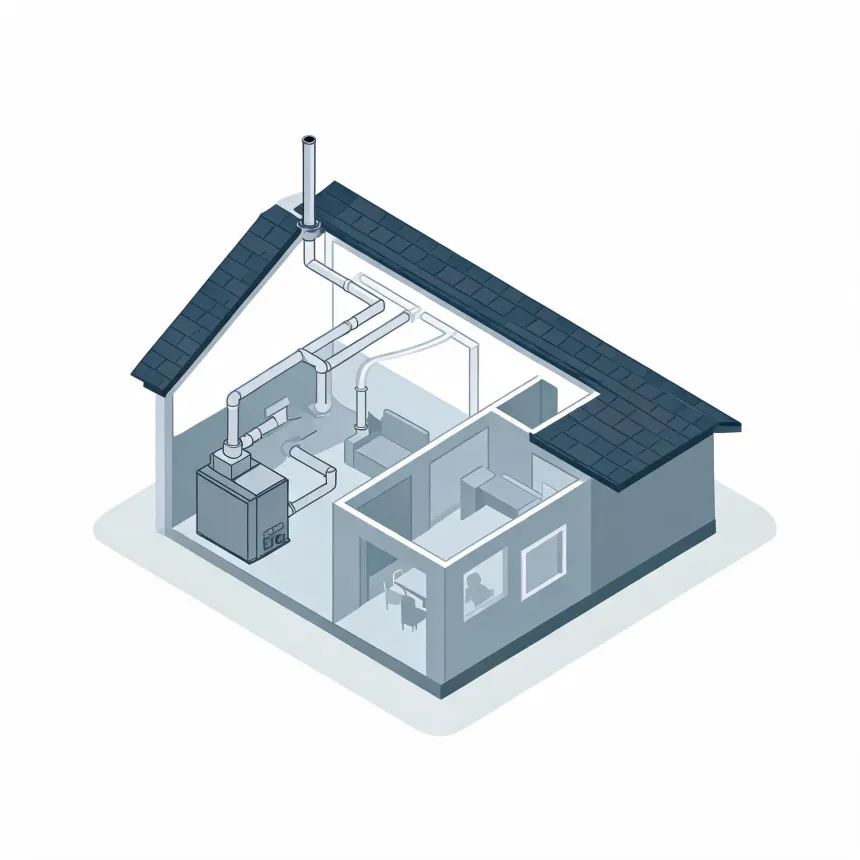
- A contractor first sizes the new equipment to your house, checking things like square footage, insulation, and duct layout rather than just matching the old unit's size. The old furnace or air conditioner gets disconnected and removed, and the new one is set in place, connected to the ductwork, gas or electric lines, and in the case of an air conditioner, the refrigerant lines. Once it's wired and connected, the contractor tests it, checks airflow and temperature, and walks you through the thermostat and any new controls. For a full system swap covering both heating and cooling, expect the process to take longer than replacing just one piece of equipment.