
HVAC Installation in Pittsburgh, PA
A new system here will heat from October through May and cool from June through August every year. Tell us about the house, and a licensed contractor who covers Allegheny County will get in touch.
Tell us about the job
It takes about a minute.
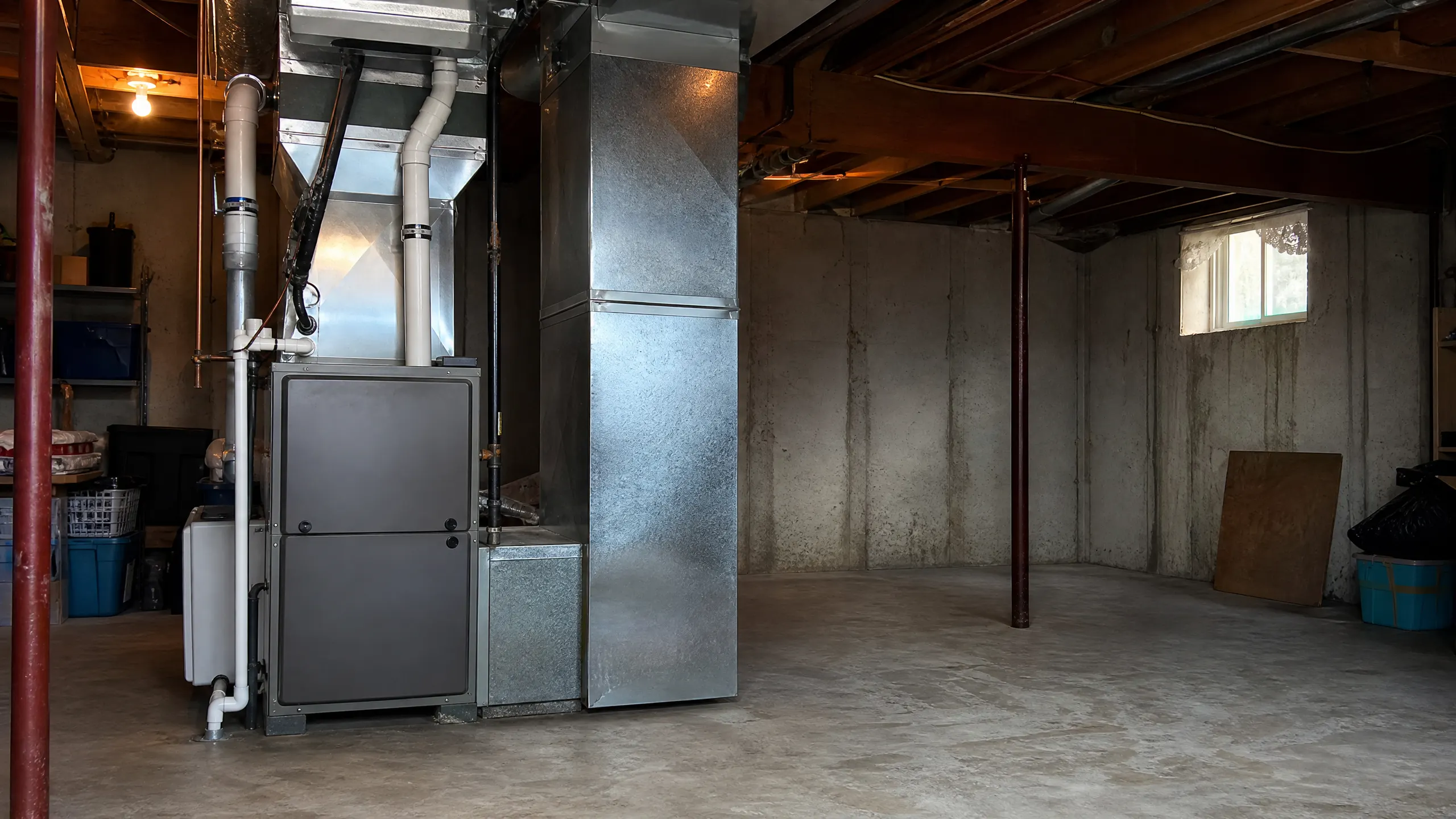
Eleven months of the year, your system is working
Winter nights around Pittsburgh average 24°F from December through February, and homes here need heat from October through May, eight months straight. Summer afternoons average 82°F, so June through August the same system has to switch over and cool the house. Only one month goes by without either running.
Whatever you install has to hold up to both jobs, the long heating stretch and the short, hot summer. Storms are part of the picture too. The region has logged 548 damaging wind events and 12 winter storms over the past ten years, and 15% of Pennsylvania households went at least a day without power in 2024. A new system should be set up to start back up on its own when the power does.
- 8 months
- October through May, your system heats
- 3 months
- June through August, it cools
- 24°F
- the average winter night it heats against
- 82°F
- the average summer afternoon it cools against
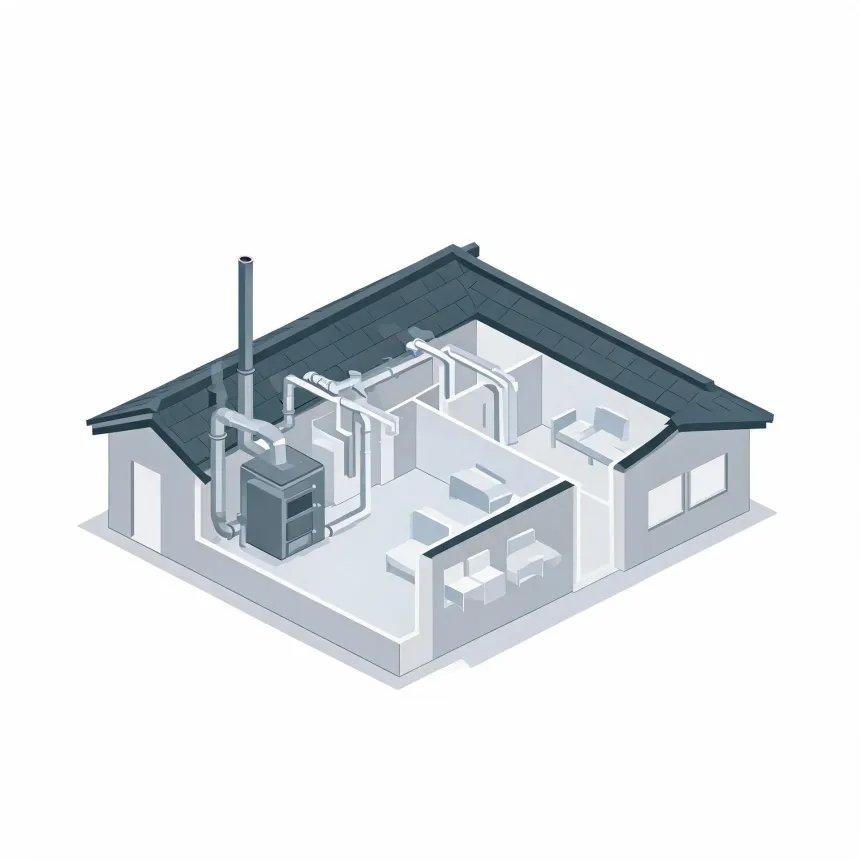
NOAA nClimDiv, 1991–2020 normals
Pennsylvania requires contractors to register with the state.
Registration puts the contractor's business on file with the Bureau of Consumer Protection. No one tested their HVAC knowledge to get that record, and nothing about it says how they perform once they are on the list. Pennsylvania also keeps cities and towns from adding their own HVAC license on top, so this registration is the only state-level record that exists here.
For an install, the check that actually covers the work comes from the local building office. In most cities and counties, replacing a furnace, air conditioner or heat pump needs a permit, and the finished job gets inspected once it is done. That permit and that inspection are what stand behind this job in Pennsylvania, not the registration.
Source: Pennsylvania General Assembly
- When should I replace my HVAC system?
- Replace it when repairs start costing more than they're worth, or when the system can't keep up anymore. A furnace or air conditioner past 15 years old is working harder than it used to, and parts get harder to find as a unit ages. If yours is heating or cooling unevenly, running longer cycles, or you've had a couple of breakdowns in a year, those are signs the equipment is wearing out rather than having a bad week. Homes here need heat from October through May, so a furnace that fails in the middle of that stretch leaves you without options fast. A contractor can look at the age, the repair history, and how the system is running now, and tell you whether it's worth fixing again or time to move on.
- Should I replace my furnace and air conditioner at the same time?
- If both are old, replacing them together is often the better move, but it depends on the condition of each one. A furnace and air conditioner installed at the same time tend to wear out around the same time too, so if your furnace is failing, the air conditioner next to it is probably not far behind. Some furnaces and air conditioners also share a blower or coil, and pairing new equipment with an old part of that shared system can cause problems that show up later. That said, if one unit is only a few years old and running fine, there's no reason to replace it just because the other one failed. A contractor can look at both systems and tell you whether it makes sense to do one or both.
- What happens during an HVAC installation?
- A contractor removes the old equipment, sets the new furnace or air conditioner in place, and connects it to the ductwork, refrigerant lines, gas line, and electrical as needed. They'll also check the ductwork itself for leaks or sizing problems, since new equipment connected to bad ductwork won't perform the way it should. Once everything is connected, the system gets tested and the airflow, refrigerant charge, and controls get checked against the manufacturer's specs. For a furnace, that includes checking the venting and the gas connections before it's ever run under full load. The contractor doing the work can walk you through what your specific installation will involve before it starts.