
Dryer Vent Cleaning in Pittsburgh, PA
Tell us about your home, and a licensed contractor who covers Allegheny County will get in touch.
Tell us about the job
It takes about a minute.

What Pittsburgh winters do to a dryer vent
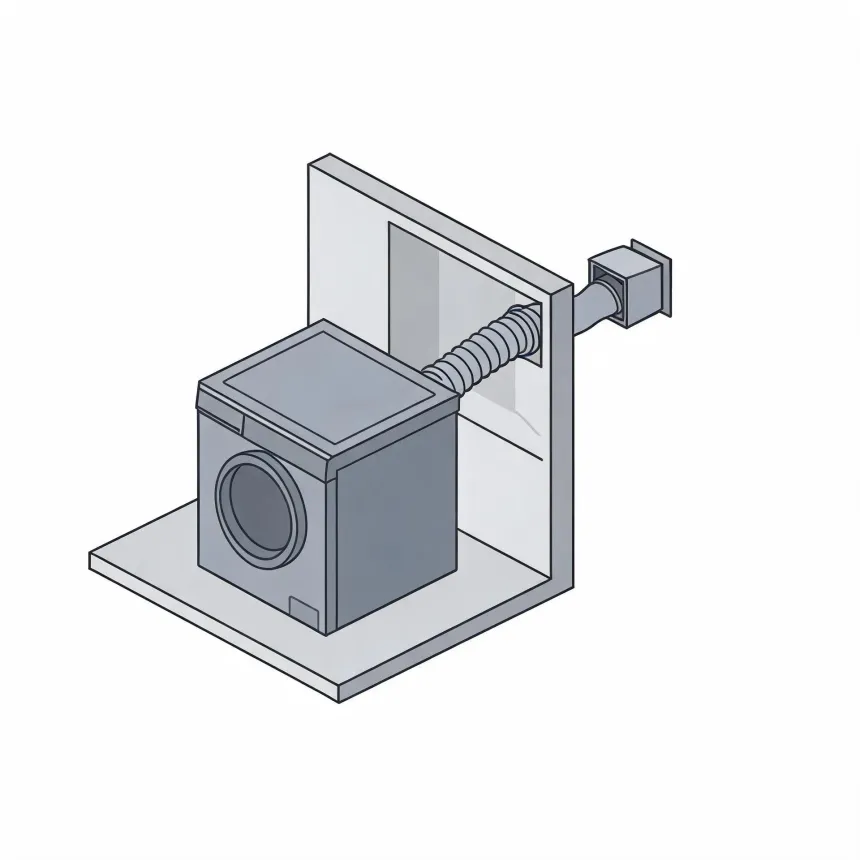
Your dryer pushes out warm, damp air every time it runs. From October through May, that vent runs through a house that is cold most of the day, and on a winter night here that averages in the mid-20s, the metal of the vent is cold too. The warm air hits those cold walls and cools fast, and the moisture in it has nowhere to go but back onto the walls of the vent. Lint sticks to damp metal far more than it sticks to dry metal.
That is how a vent narrows from the inside out, months at a time, without anyone seeing it happen. A vent that is narrowing can still let the dryer run. It just takes longer to clear the air, and the lint keeps building until the path out is smaller than it should be.
- 24°F
- the average winter night, and cold vents catch damp lint
- 8 months
- October through May, the vent stays cold
NOAA nClimDiv, 1991–2020 normals
- How often should a dryer vent be cleaned?
- Once a year is the general rule. In Pittsburgh that means doing it before the heating season starts in October, since a clogged vent forces the dryer to run longer and that extra heat has nowhere to go but back into the duct and the drum. A contractor can tell you if your setup needs more frequent cleaning once they see the length and shape of the duct run.
- Can I clean my dryer vent myself?
- You can clean the first few feet near the dryer yourself, but that's not the whole vent. Most runs go through walls, up through framing, or out through the roof, and a vacuum or brush from the inside only reaches so far. A contractor uses rods and a brush sized to the duct to clear the full length, including the vent hood outside where lint and even nesting birds can block the exit.
- What are the signs of a clogged dryer vent?
- Clothes that take more than one cycle to dry is the clearest sign. Others include the dryer running hot to the touch, a burning smell, lint showing up around the door seal, or the outside vent hood flap staying shut when the dryer runs instead of flapping open with airflow. Any one of these means air isn't moving through the duct the way it should, and it's worth having someone clear it before the dryer runs harder to compensate.