
AC Maintenance in Wilkes-Barre, PA
Air conditioners here run from July through August, so June is the time for a tune-up. Tell us about your system, and a licensed contractor who covers Luzerne County will get in touch.
Tell us about the job
It takes about a minute.
Two months of real heat, and a lot of weather in between
Your air conditioner in Wilkes-Barre only has to carry you through July and August, with afternoons averaging around 79°F. That is not a long season, but it is enough for a strained system to show its weak points right when you need it most.
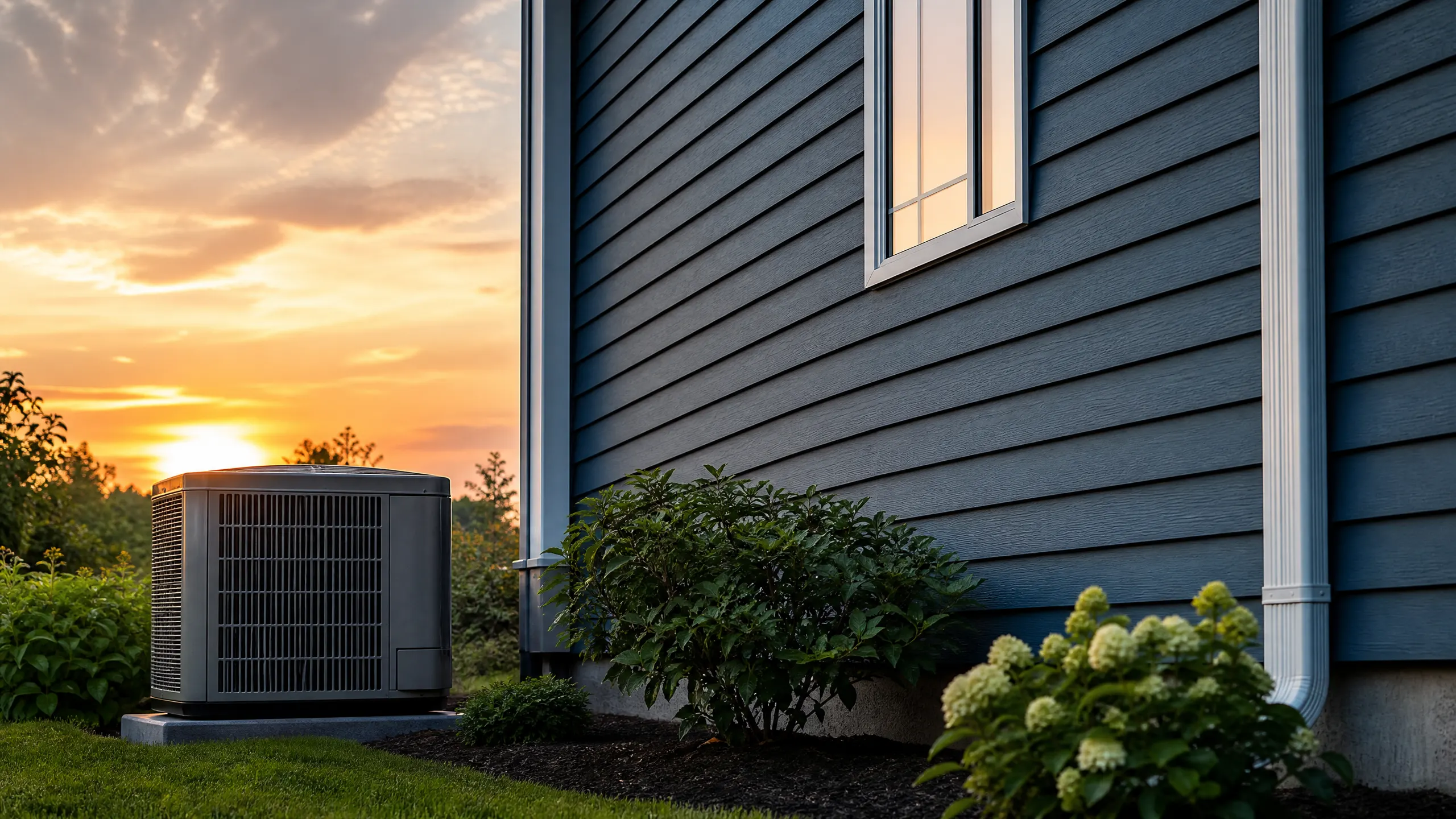
Luzerne County has also logged 151 damaging wind events and 22 hail storms over the past ten years, with hail up to 1.75 inches. That outdoor unit sits outside through all of it. A tune-up gets someone checking the coil fins for damage, the refrigerant charge, and the electrical connections before the short cooling season puts them to the test.
- 2 months
- July through August, your air conditioner is on duty
- 79°F
- the average summer afternoon it cools against
- 22 hail events
- in ten years, and hail bends the fins on outdoor coils
- 151 wind events
- in ten years, and wind drives debris into outdoor units
NOAA nClimDiv, 1991–2020 normals

Book your AC tune-up in June, before homes here start needing cooling in July.
- Jan
- Feb
- Mar
- Apr
- May
- Jun
- Jul
- Aug
- Sep
- Oct
- Nov
- Dec
A tune-up checks the refrigerant charge, cleans the coils, tests the capacitor and tightens the electrical connections.
Pennsylvania requires contractors to register with the state.
That registration puts the business on file with the Bureau of Consumer Protection. Nobody tested the contractor's HVAC knowledge to get that number, and the state does not license the trade at all. Luzerne County and every municipality in it are barred from layering on their own HVAC license, so the registration is the only state-level record that exists here.
For a maintenance visit on your air conditioner, the thing that actually certifies skill isn't state or local at all. Any technician who touches the refrigerant side of your system, gauges hooked up, refrigerant added or recovered, has to hold EPA Section 608 certification, and that rule holds in every state, not just Pennsylvania. That federal certification is what stands behind the work on your AC, not the state registration.
Source: Pennsylvania General Assembly
- What does AC maintenance include?
- A technician checks the refrigerant charge, cleans the condenser coil outside, and checks the evaporator coil where it can be reached. They test the capacitor and contactor, check the fan motor, and look at electrical connections for signs of wear. They also check the condensate drain, since a clogged one backs up and can shut the system down or cause water damage. Airflow gets checked too, along with the filter, since a dirty filter makes the whole system work harder.
- How often does an air conditioner need maintenance?
- Once a year is enough for most systems, done before the weather turns warm. Here the cooling load really only hits in July and August, so getting it checked ahead of those two months matters more than the exact date. A yearly check catches a weak capacitor or a low refrigerant charge before it turns into a breakdown on a 79 degree afternoon.
- Is AC maintenance worth it?
- Yes, because most AC breakdowns trace back to something a technician would have caught, like a failing capacitor or a coil so dirty the system can't shed heat. Wilkes-Barre only asks the system to run hard for two months a year, so a unit that gets skipped one summer can still look fine and then fail the next time it's actually needed. Maintenance also matters after a bad storm. This area has had 151 damaging wind events and 22 hail events over the past ten years, and hail up to 1.75 inches can bend the thin fins on an outdoor coil without leaving damage a homeowner would notice from the ground.