
Furnace Installation in Lancaster, PA
A new furnace here will run from October through April every year. Tell us about the house, and a licensed contractor who covers Lancaster County will get in touch.
Tell us about the job
It takes about a minute.
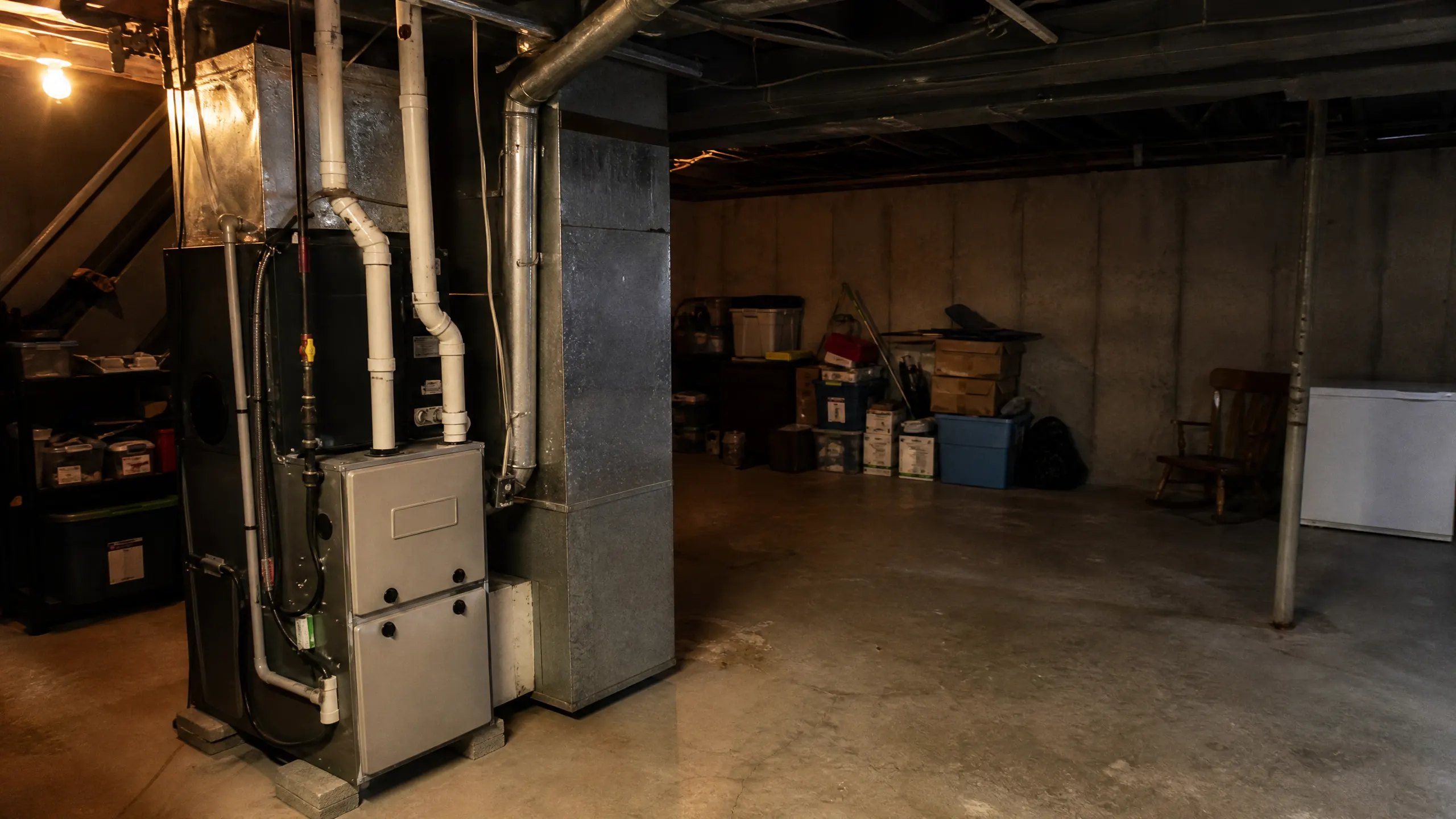
Seven months of heat, and nights that drop to 24°F
Lancaster County homes run the furnace October through April, seven months of the year. Winter nights average 24°F, and a new furnace has to hold steady through that whole stretch, night after night.
Any gas furnace installed today has to meet a federal minimum of 80 percent AFUE. Storms are part of the picture too. The area has seen 16 winter storms and 215 damaging wind events over the past ten years, and statewide, 15 percent of households lost power for at least a day in 2024. Worth asking your contractor how the furnace you choose holds up when the power drops in the middle of a cold night.
- 7 months
- October through April, your furnace is on duty
- 24°F
- the average winter night it heats against
- 80% AFUE
- the federal minimum any new unit must meet
NOAA nClimDiv, 1991–2020 normals
Pennsylvania requires contractors to register with the state.
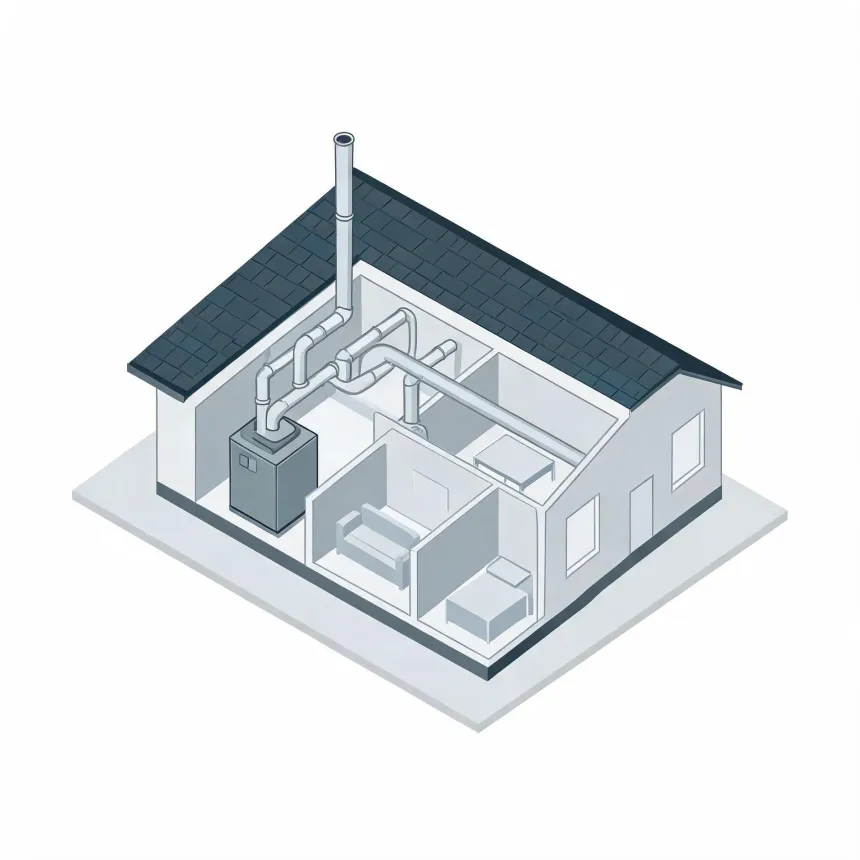
That registration puts the business on file with the state and nothing more. Nobody tests a contractor's gas work or checks their furnace installs before they're allowed to register. Pennsylvania also does not let cities or townships layer their own HVAC license on top, so this is the only state record that exists on a contractor here.
What actually checks the work on your furnace is the local building office. In most cities and counties, a furnace install needs a permit, and an inspector looks at the gas connection and venting once the job is done. That inspection is what stands between you and a bad hookup, not the state registration.
Source: Pennsylvania General Assembly
- What size furnace does my house need?
- There is no single number that works for every house, it comes down to a load calculation. A contractor measures your square footage, your insulation, your windows, and your ceiling height, then runs what is called a Manual J calculation to find the right size. Going bigger than what the calculation says is not a safety margin, it actually hurts you. An oversized furnace heats the air fast, shuts off, and leaves the house feeling uneven, and it wears out sooner from cycling on and off so much.
- How do I know it's time to replace my furnace?
- Age is the first thing to look at. A furnace much past 15 years is working harder than it used to, and parts get harder to find. Watch for rooms that used to feel warm and now don't, a furnace that runs longer to hit the same temperature, or a gas bill that keeps climbing without a clear reason. Winter nights here average 24°F, so a furnace that is struggling shows it fast once the cold sets in. If a repair keeps coming up on the same unit, that's usually the sign to stop patching it.
- Is a high-efficiency furnace worth it?
- It depends on how much heating your house actually needs. Homes here need heat from October through April, seven months of the year, so a furnace here runs a lot more than one in a milder climate, and that changes the math on efficiency. Every furnace made since November 2015 has to hit at least 80 percent AFUE, so the real choice is between that baseline and a high-efficiency model rated higher. A contractor can walk through what each option costs to install and what it means for your specific house before you decide.